


Grammy Week 2026
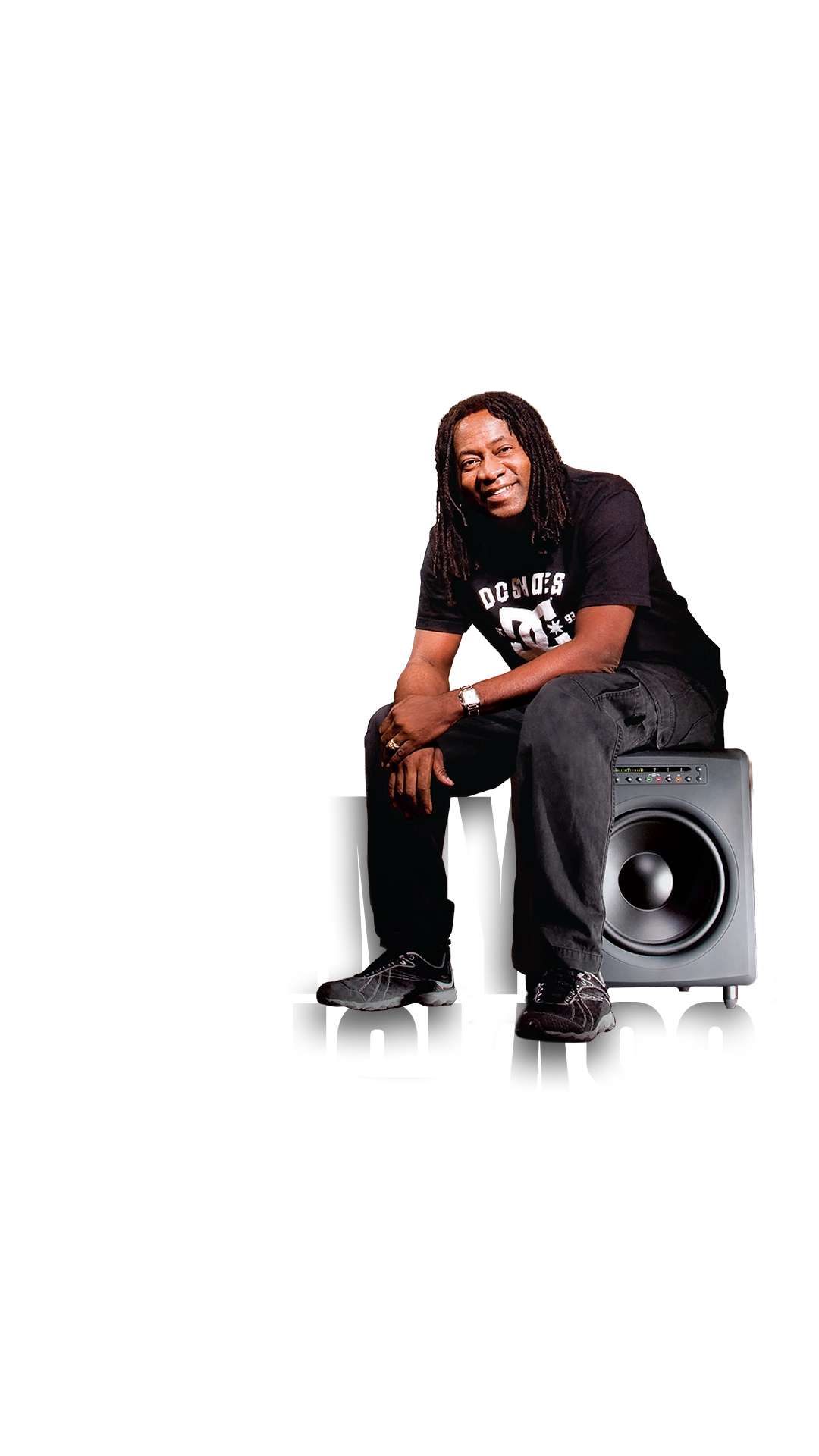
Producers & Engineers Wing Honors Jimmy Douglass






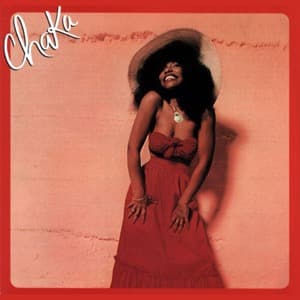
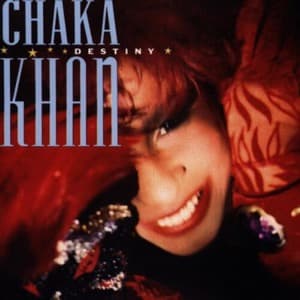
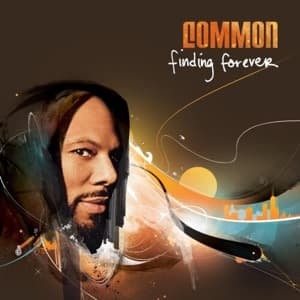
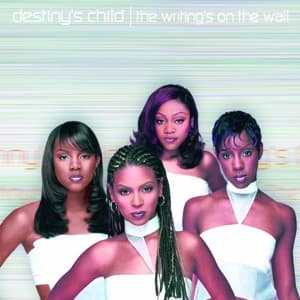









News
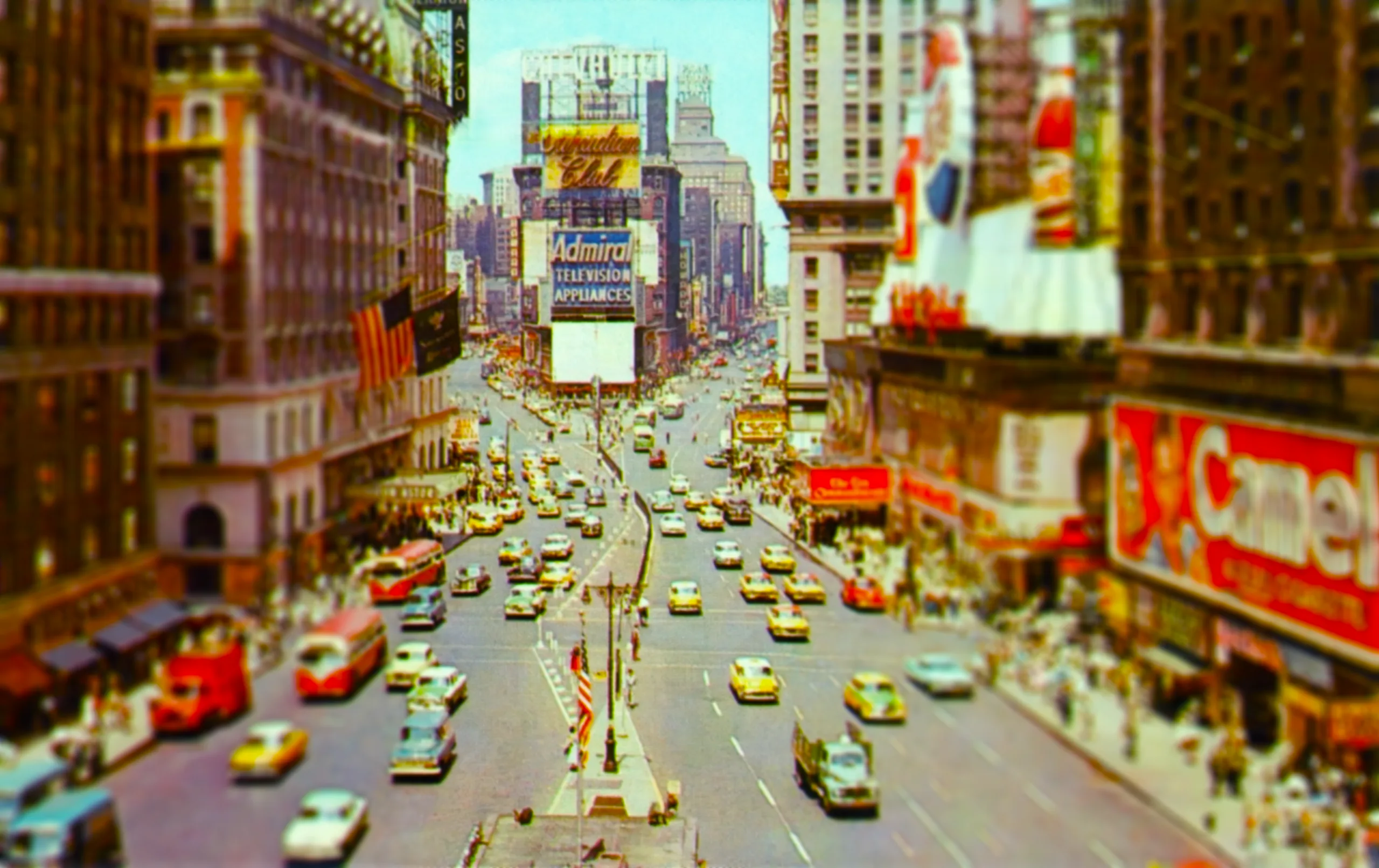
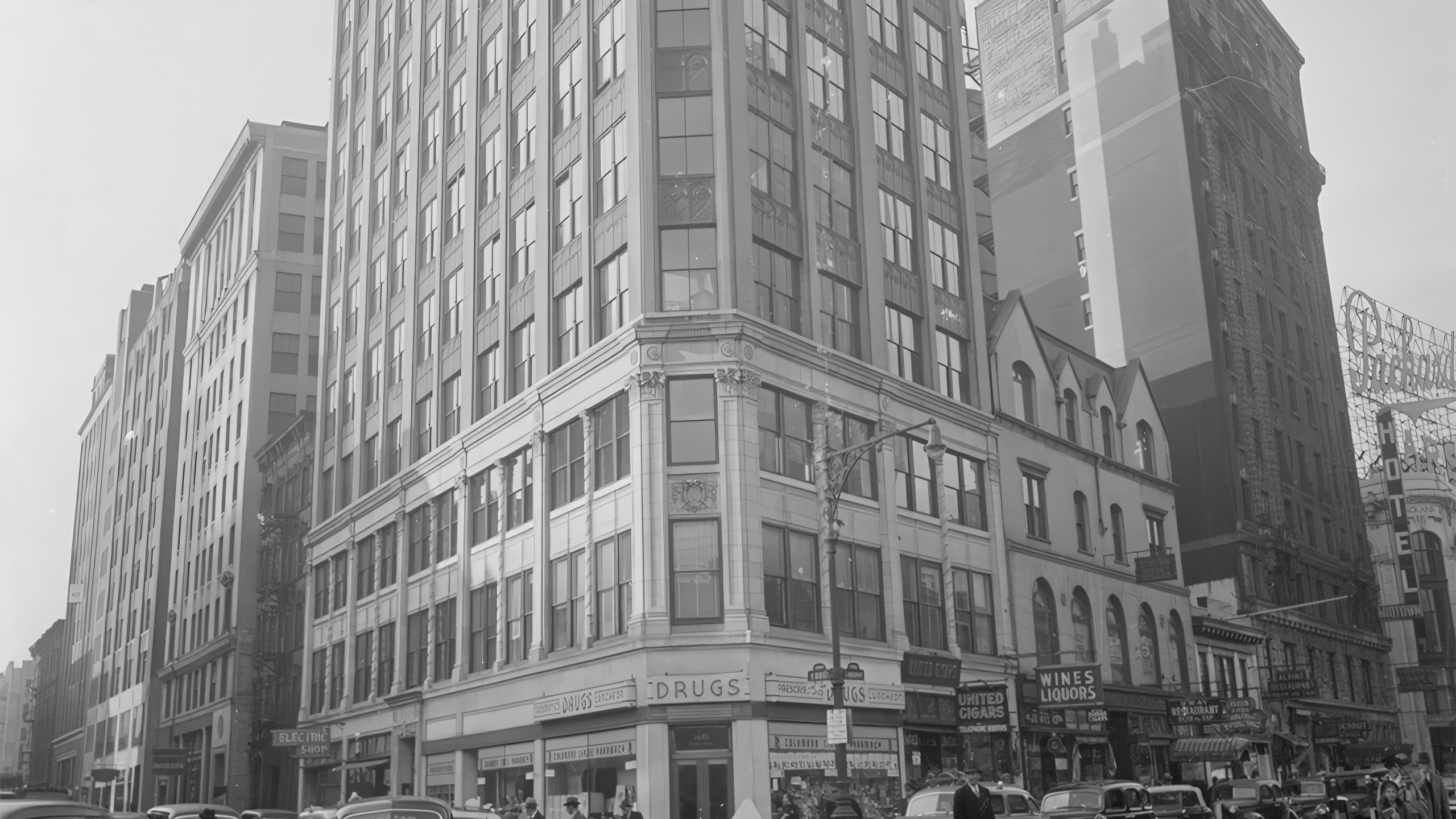
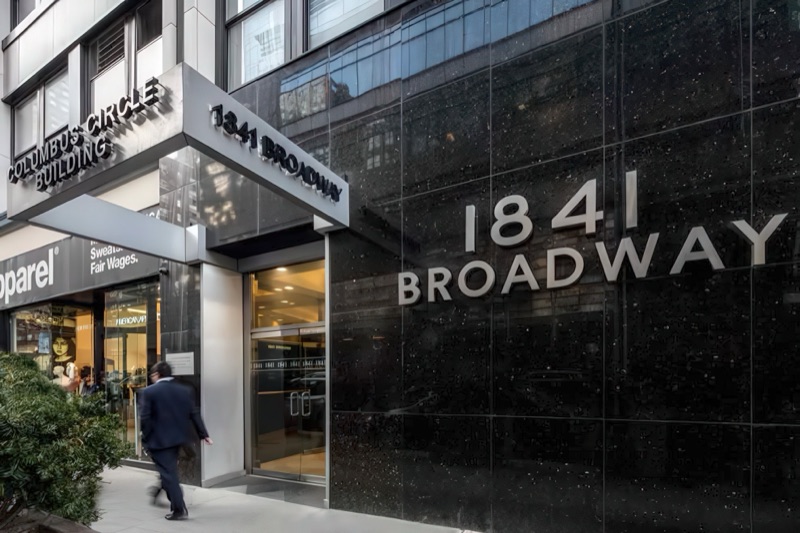
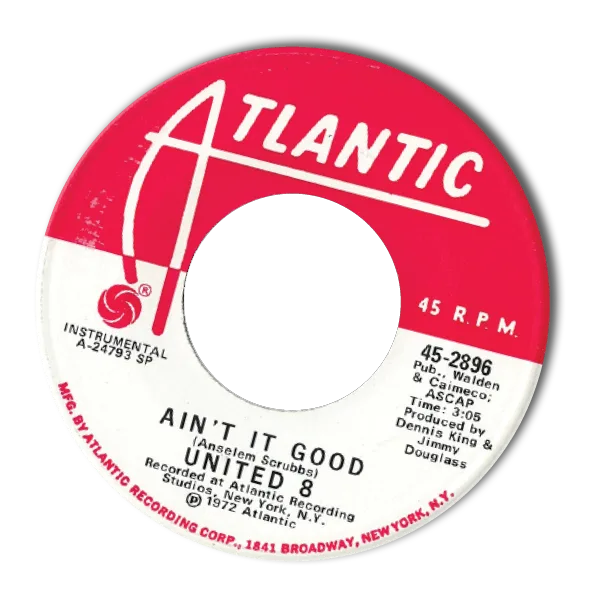
Jimmy Douglass was born in Philadelphia and moved to Great Neck, on Long Island, NY, as a teenager. He picked up the guitar, played in a local band, & developed an early obsession with how records were made. A high school classmate happened to be the daughter of Jerry Wexler, one of the co-owners of Atlantic Records. Through that connection, Douglass landed a part time evening job as a tape duplicator at the label's legendary studios at 1841 Broadway in New York City.
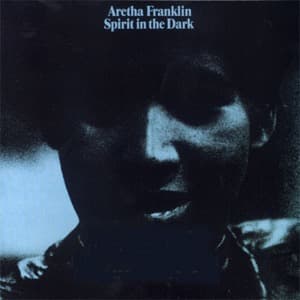
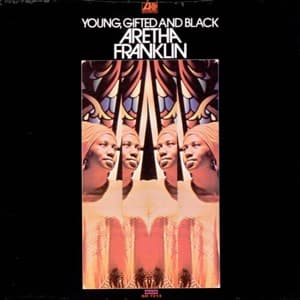
The job was simple: load reels, run copies, do homework in between. But every night, after setting the tapes to run, he would slip into the back of the studio and watch. The sessions he witnessed were historic. Aretha Franklin, Dusty Springfield, Cream. The man he watched most closely was Tom Dowd, Atlantic's chief engineer.
The other figures surrounding him were equally formidable: producer Arif Mardin, label co-founder Ahmet Ertegun, and Wexler himself. When Douglass asked Wexler for permission to demo a band he had discovered, the reply was blunt: "You want it, you do it." So he did. Atlantic's executives weren't impressed with the band, but they were impressed with the sound.
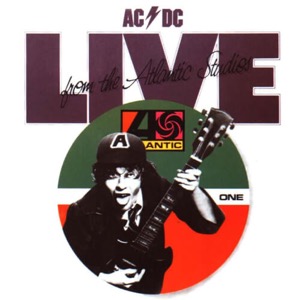
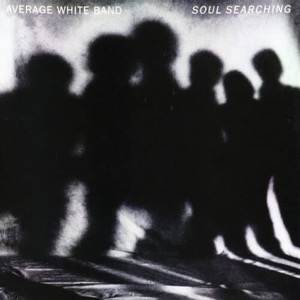
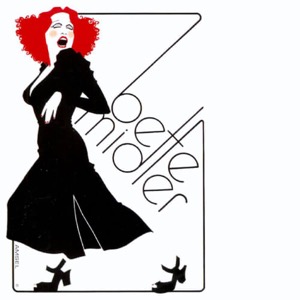
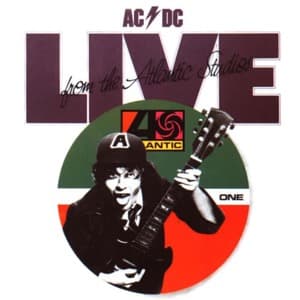
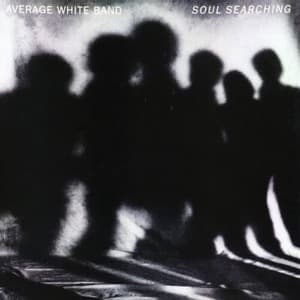
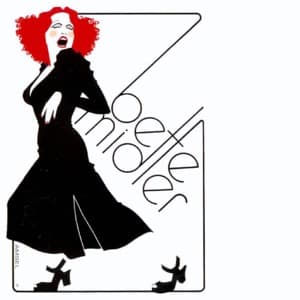
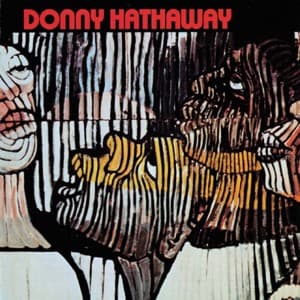
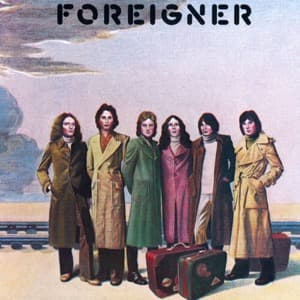
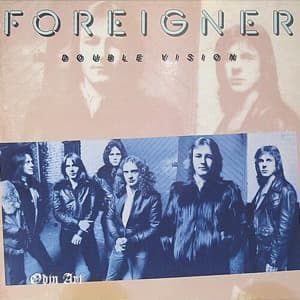
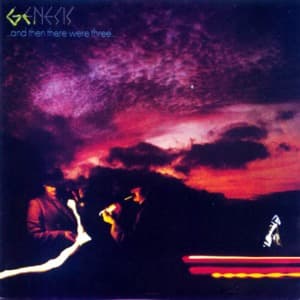
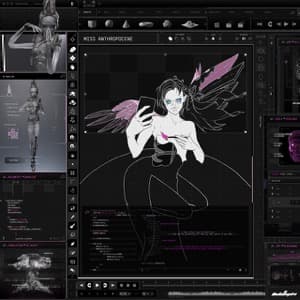
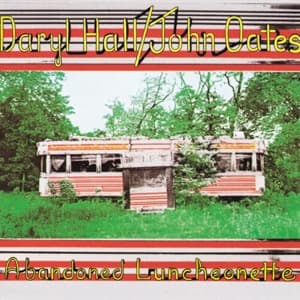
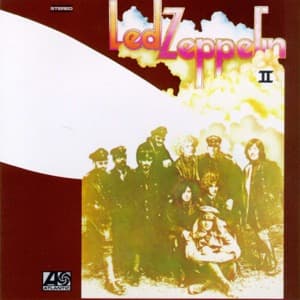
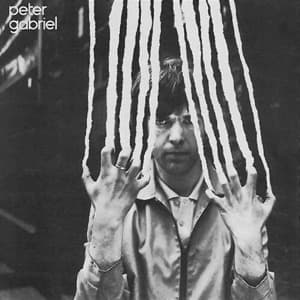
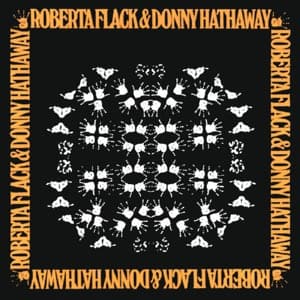
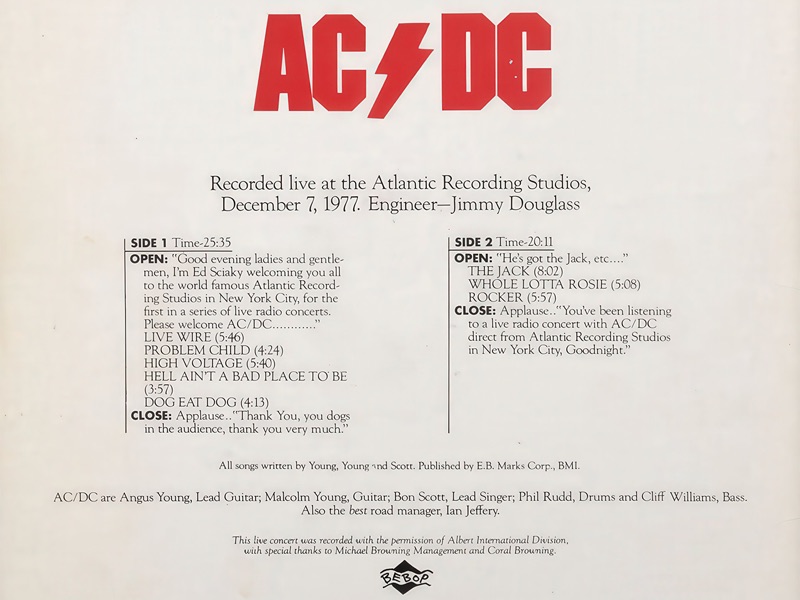
From that first session forward, Douglass became a fixture at Atlantic Records. Throughout the 1970s he engineered sessions for a staggering roster: Aretha Franklin, Led Zeppelin, AC/DC, Hall & Oates, Roberta Flack, Donny Hathaway, Foreigner, the Average White Band, Bette Midler, Peter Gabriel, and Genesis.
Douglass became known for bringing unconventional techniques into the studio. He is widely credited with introducing a heavy funk bass sound into rock music, a cross-pollination that came naturally to someone moving between R&B and rock sessions in the same building. He was among the first engineers at Atlantic to experiment with the Eventide Harmonizer, producing a harmony effect that stunned the band.
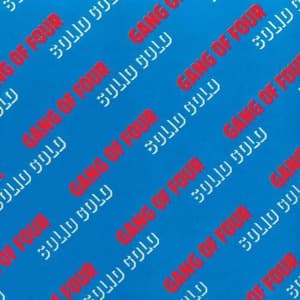
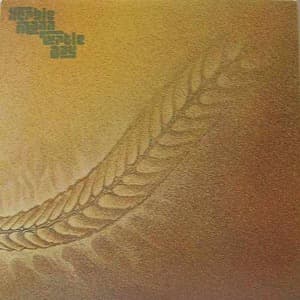
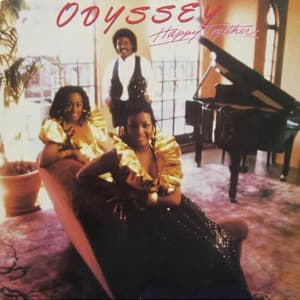
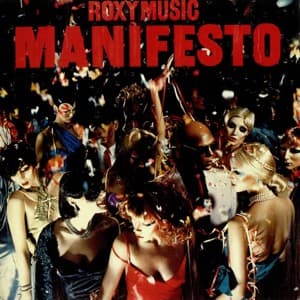
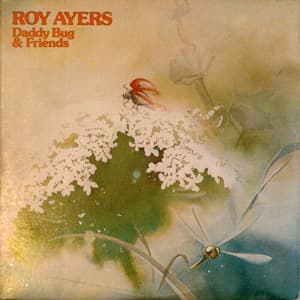
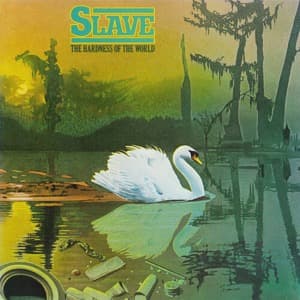
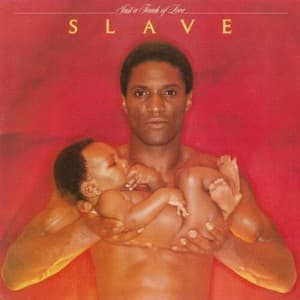
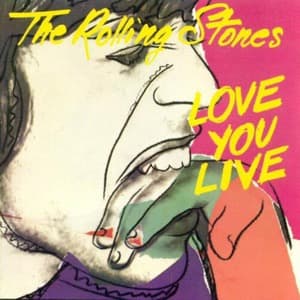
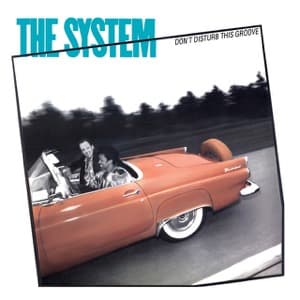
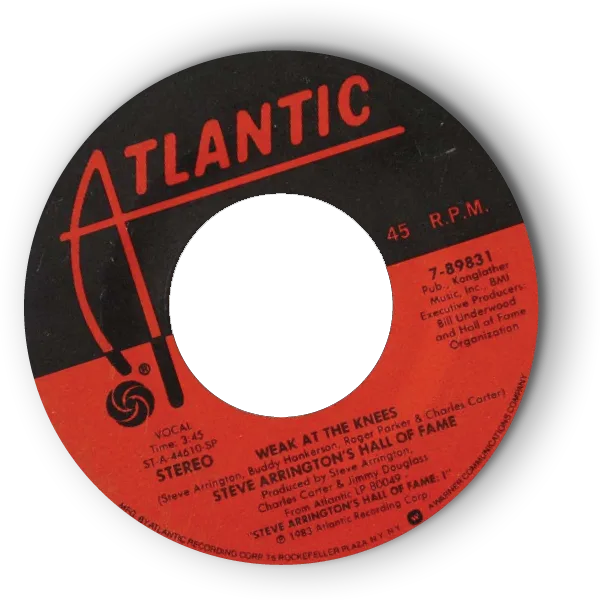
By the 1980s, Douglass had expanded into production. He engineered and produced records for The Rolling Stones, Roxy Music, Slave, Odyssey, and Gang of Four, whose album Solid Gold he produced at Abbey Road Studios.
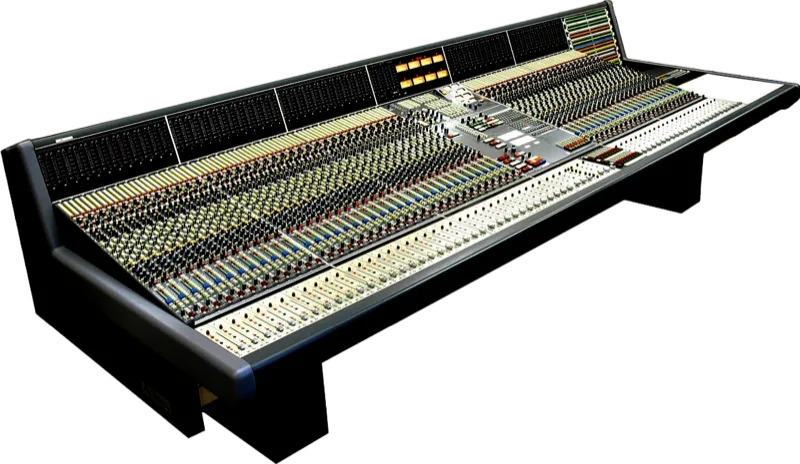
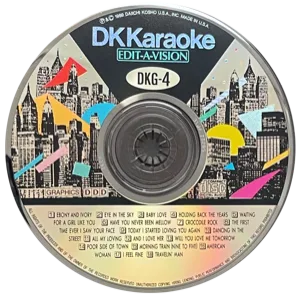
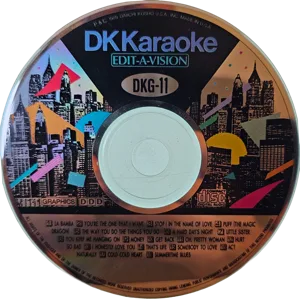
In 1986, Douglass left Atlantic Records. He had financial security and a sterling reputation, but the landscape was shifting. Rap was rising, the old studio ecosystem was fragmenting, and the path forward wasn't obvious. He formed a production and songwriting partnership, landed a publishing deal with Epic, and for a period kept busy. He was hired by the Japanese company Daiichikosho for his expertise on the Neve VR console, helping to pioneer the early karaoke industry by recreating hit songs with top-tier session musicians and full string sections.
But over time, the work thinned out. Douglass pivoted to jingles and post-production, work that most engineers would consider a step down. He would later say it was one of the most important phases of his career. The discipline of commercial work taught him to move fast, to capture a vibe immediately, and to stop laboring over details that didn't serve the song. These instincts would prove essential when everything changed.


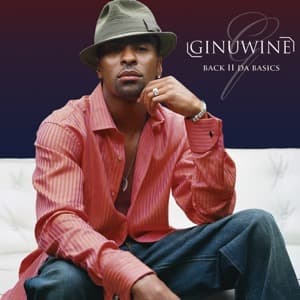
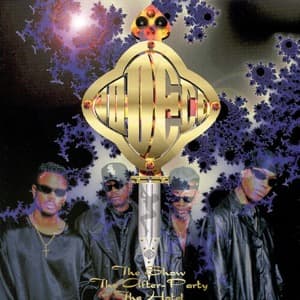
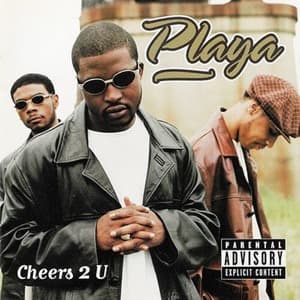
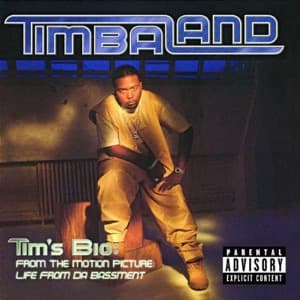
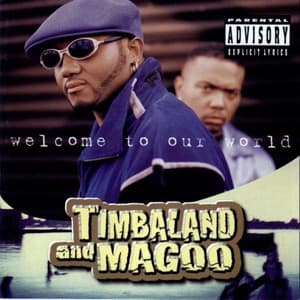
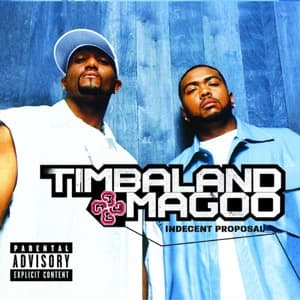
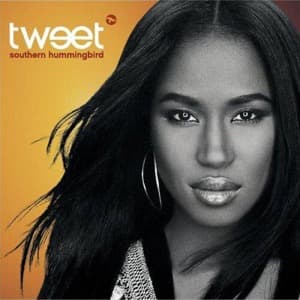
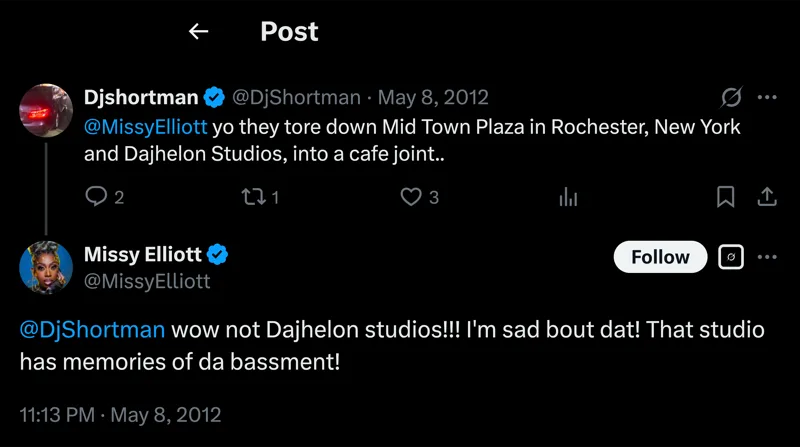
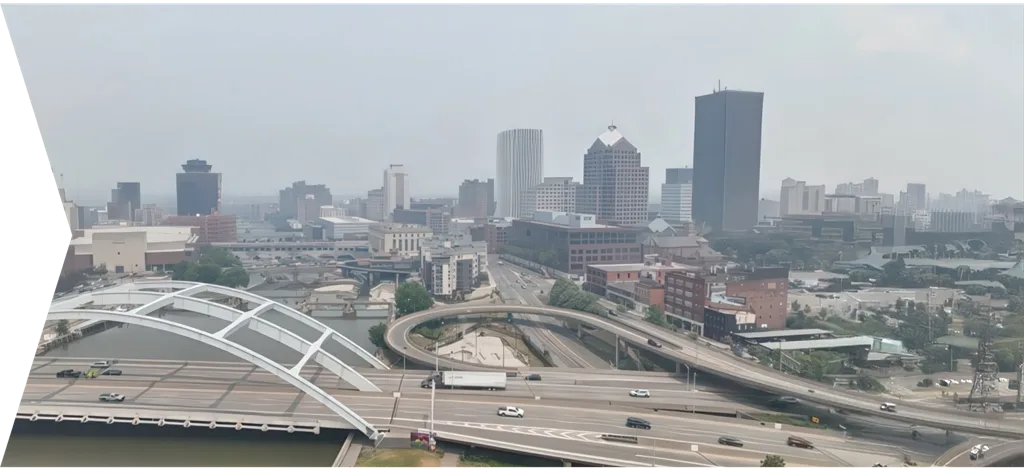
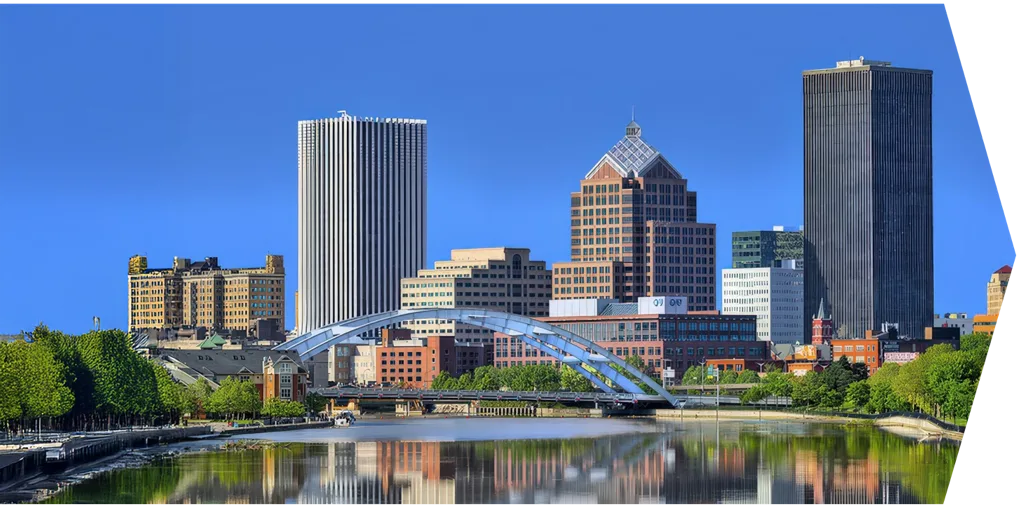
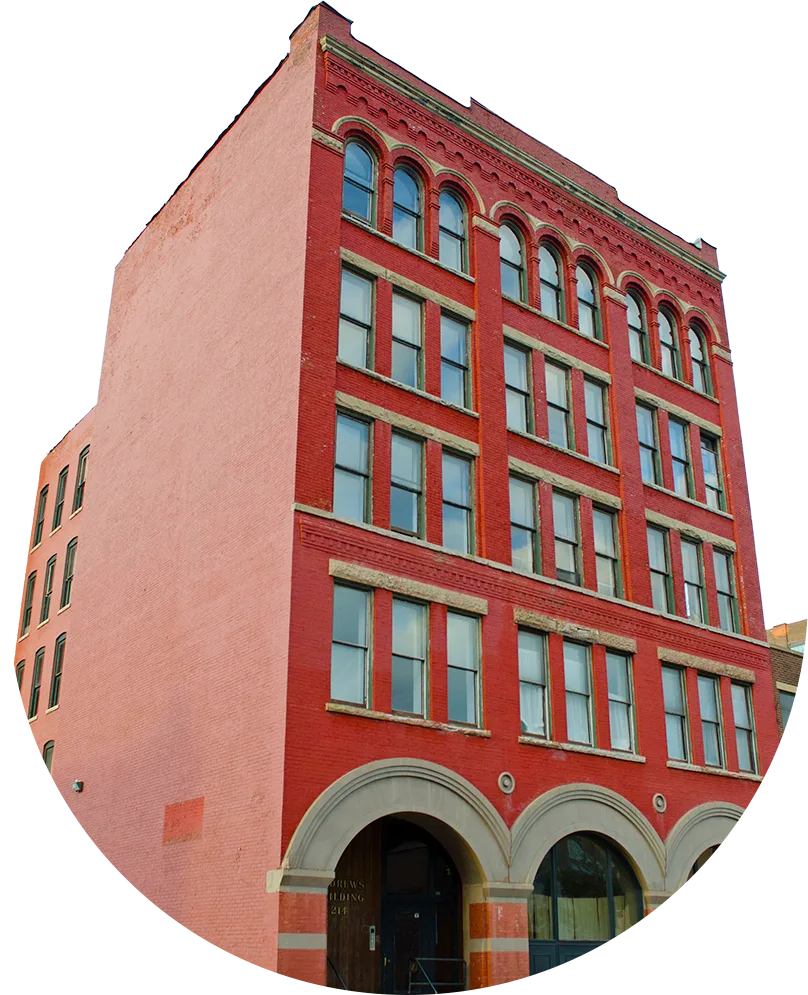
In the mid-1990s, Douglass was called to Dajhelon Studios in Rochester, New York, known as "Da Bassment." The studio was home base for DeVante Swing of Jodeci, who had assembled the Swing Mob: Timbaland, Missy Elliott, Ginuwine, Aaliyah, Tweet, Playa, Static Major, Magoo, and Stevie J. He spent a year and a half embedded in the group, engineering chaotic nightshift sessions that ran on instinct & experimentation.
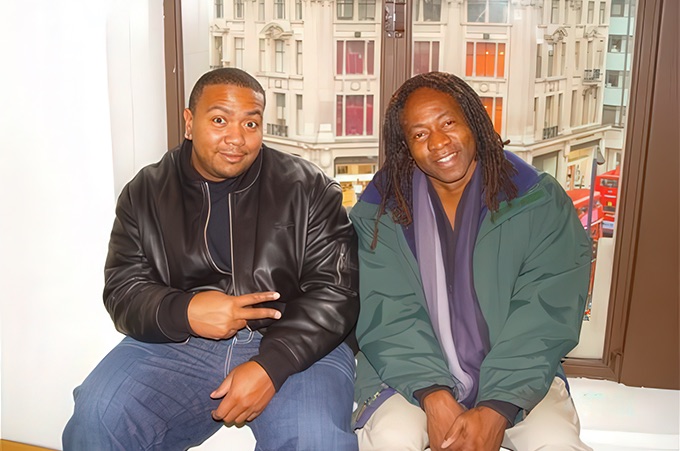
It was during this period that Douglass formed the creative partnership that would define the next chapter of both their careers. Douglass's decades of studio knowledge fused with Timbaland's radical, genre-bending production vision. Together, they developed a workflow built on speed and spontaneity. In a single year, the pair produced roughly two hundred songs.
The nickname "The Senator" came from Timbaland himself. As Douglass told it, when they were coming up together and Timbaland was pushing him to dust off his legend, the producer told him he couldn't just be "Jimmy Douglass" anymore. A career that long, that political, that steeped in the inner workings of the industry, needed a title. The Senator stuck.
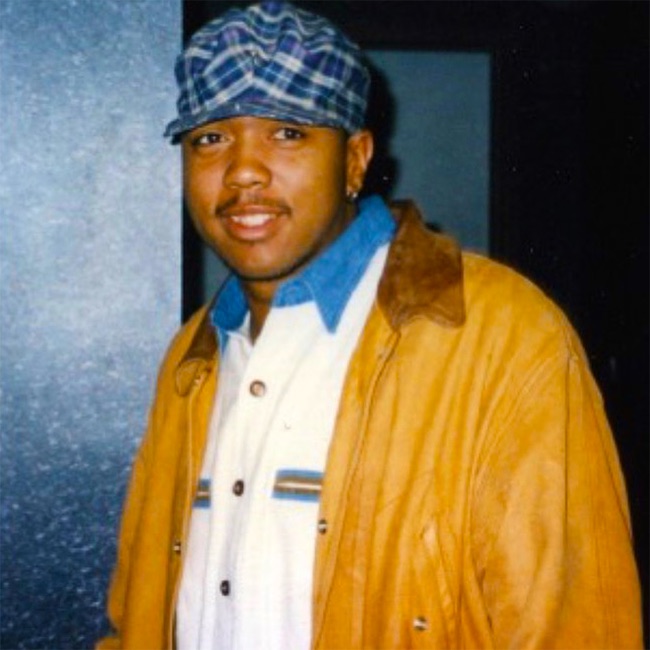
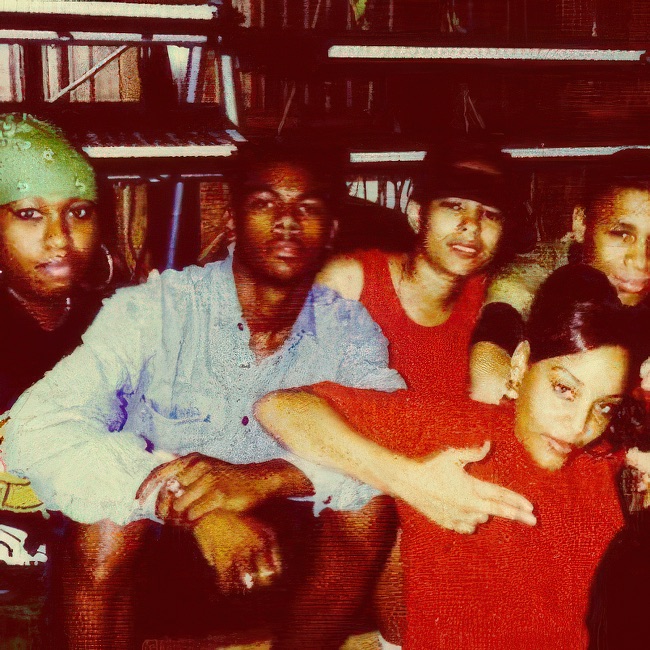
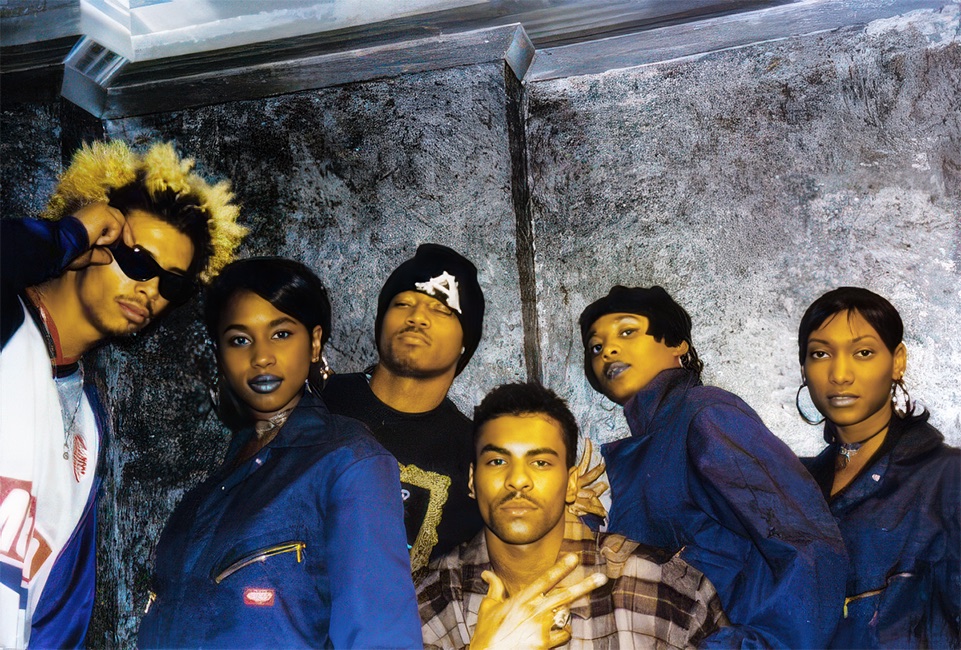
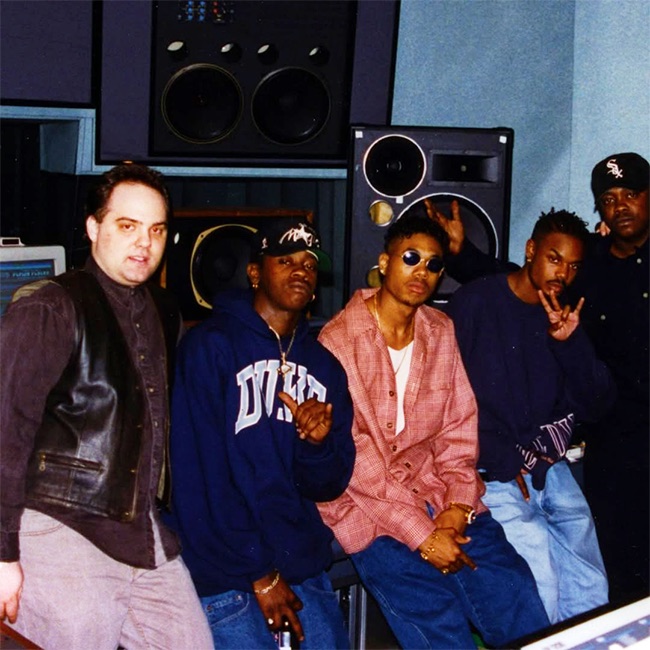
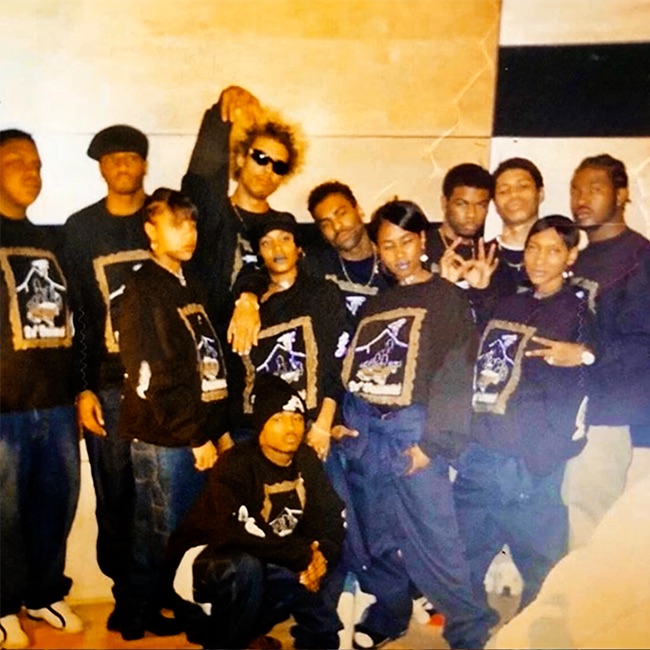
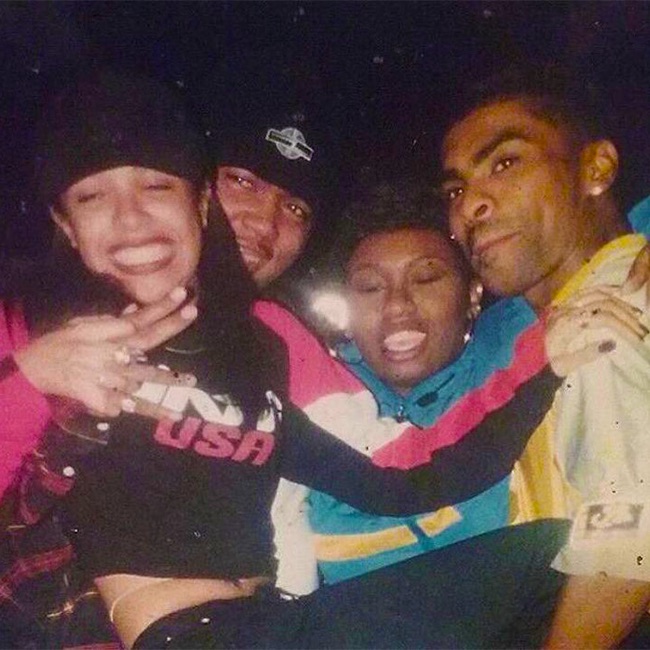
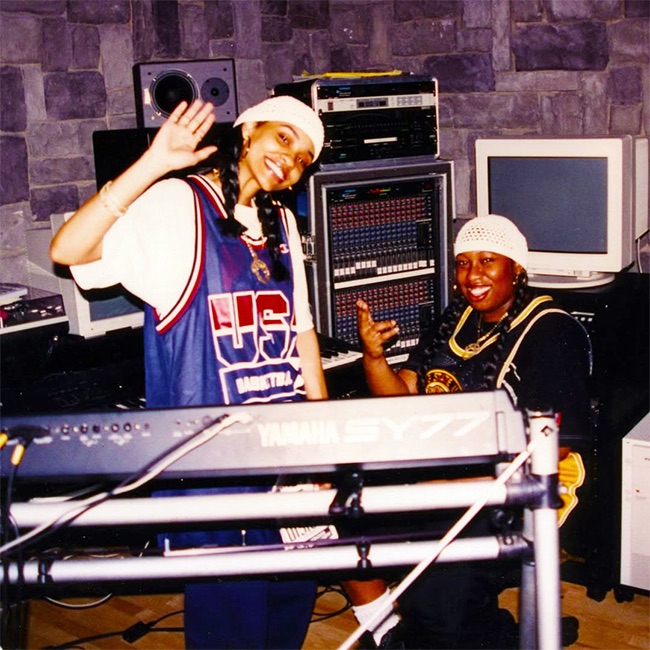


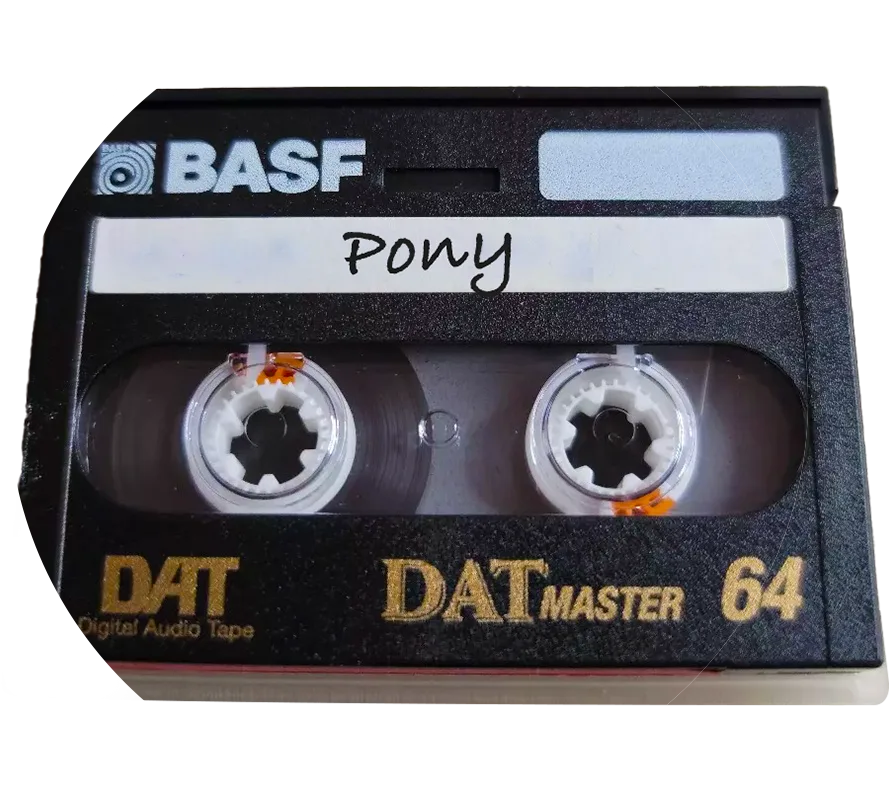

What followed was one of the most prolific runs in modern recording history. When the Swing Mob fell apart in Rochester, Douglass had the "Pony" demo on a DAT tape. He walked it into Sony and got the Ginuwine deal done. That single move opened the door for everything that came after.
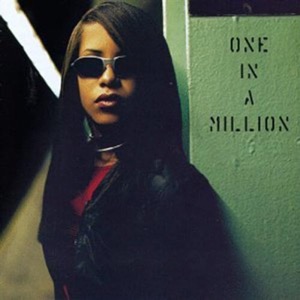
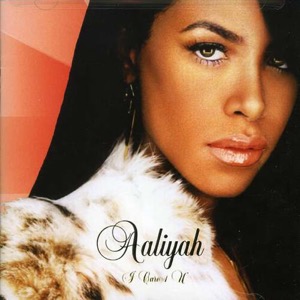
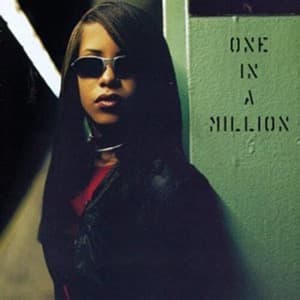
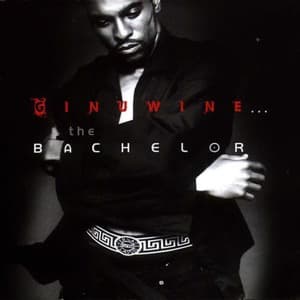
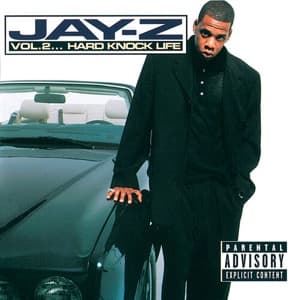
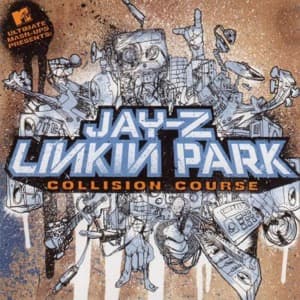
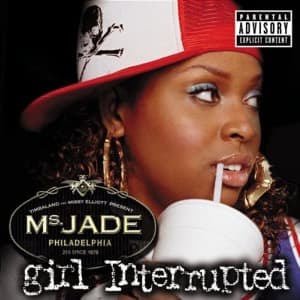
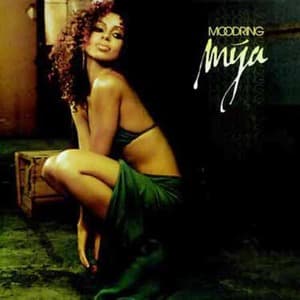
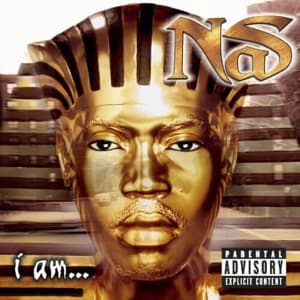
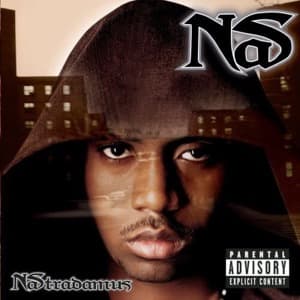
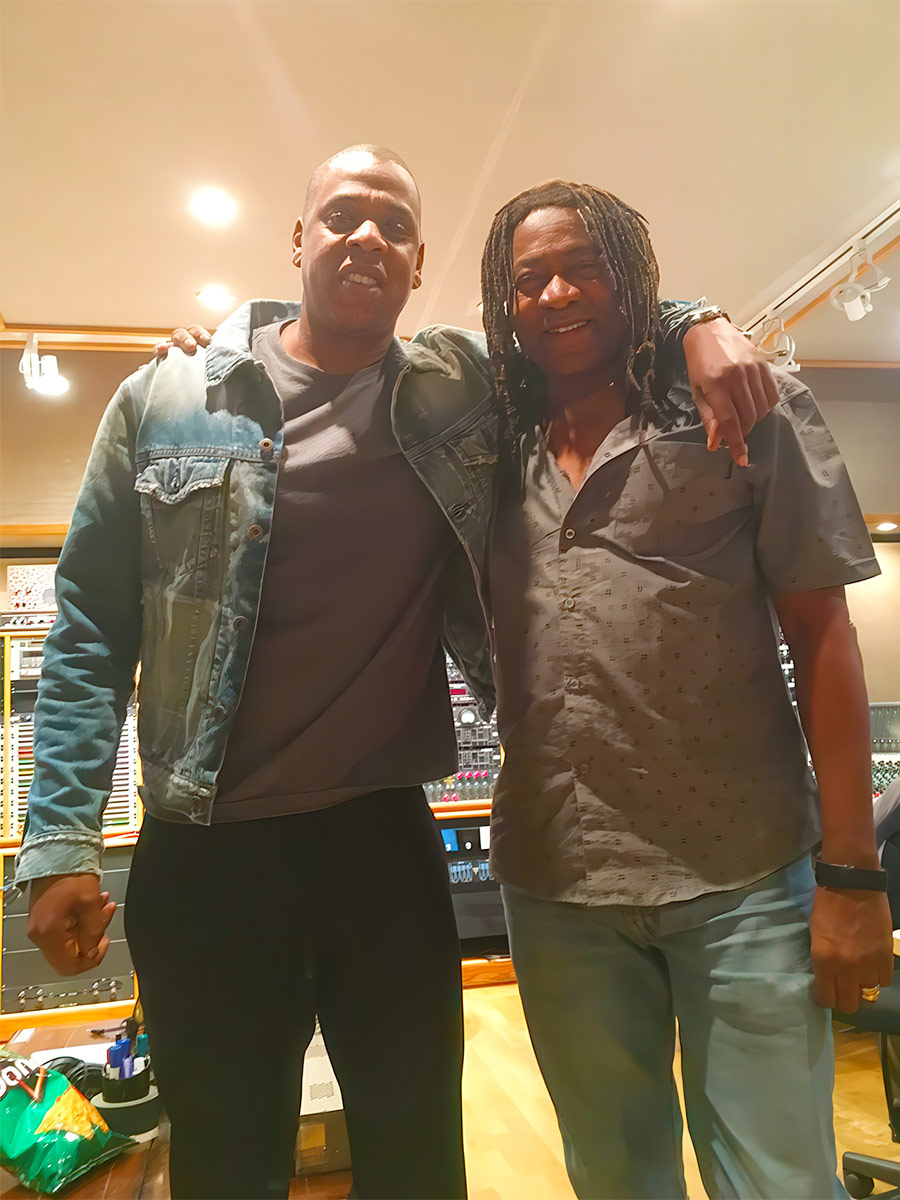
Working as engineer and mixer alongside Timbaland's production, Douglass helped shape the sound of that era from the ground up. He recorded and mixed Ginuwine's The Bachelor and Aaliyah's One in a Million at Pyramid Sound Studios in Ithaca on a Neve VR console, and worked out of Manhattan Center Studios on sessions with Jay-Z, Nas, and Justin Timberlake.
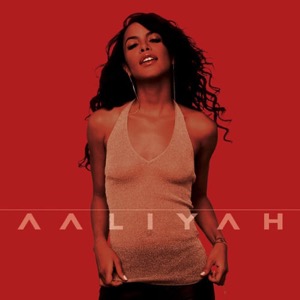
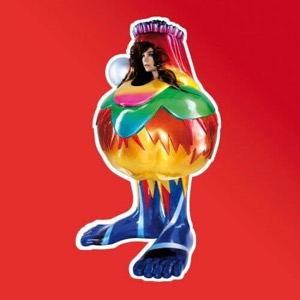
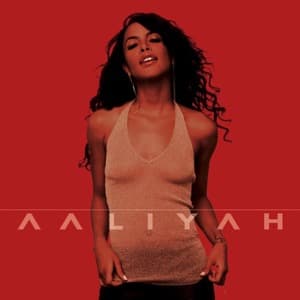
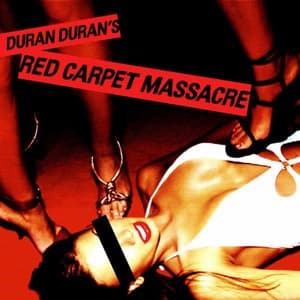
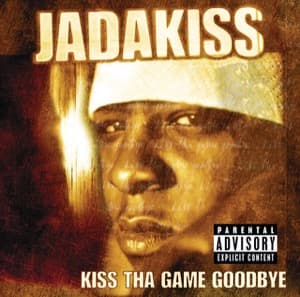
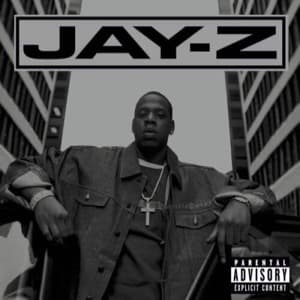
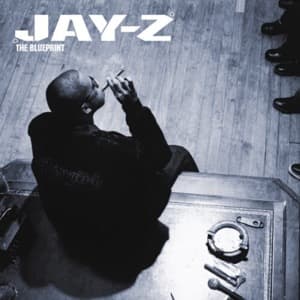
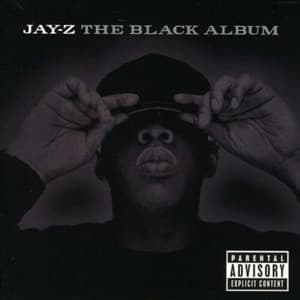
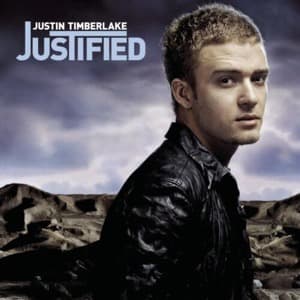
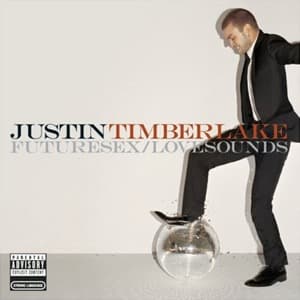
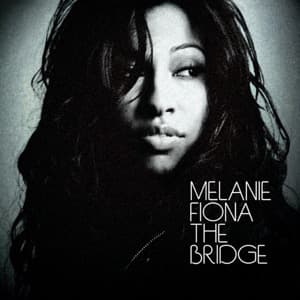
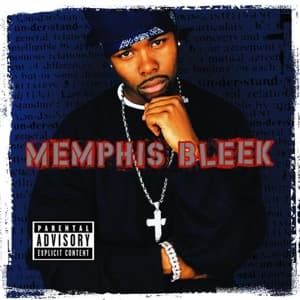
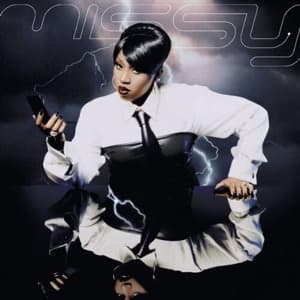
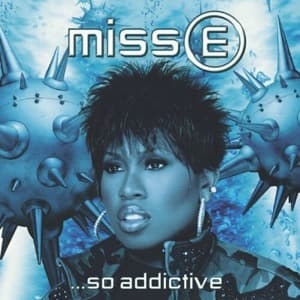
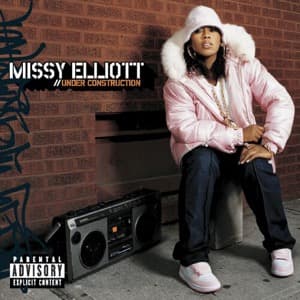
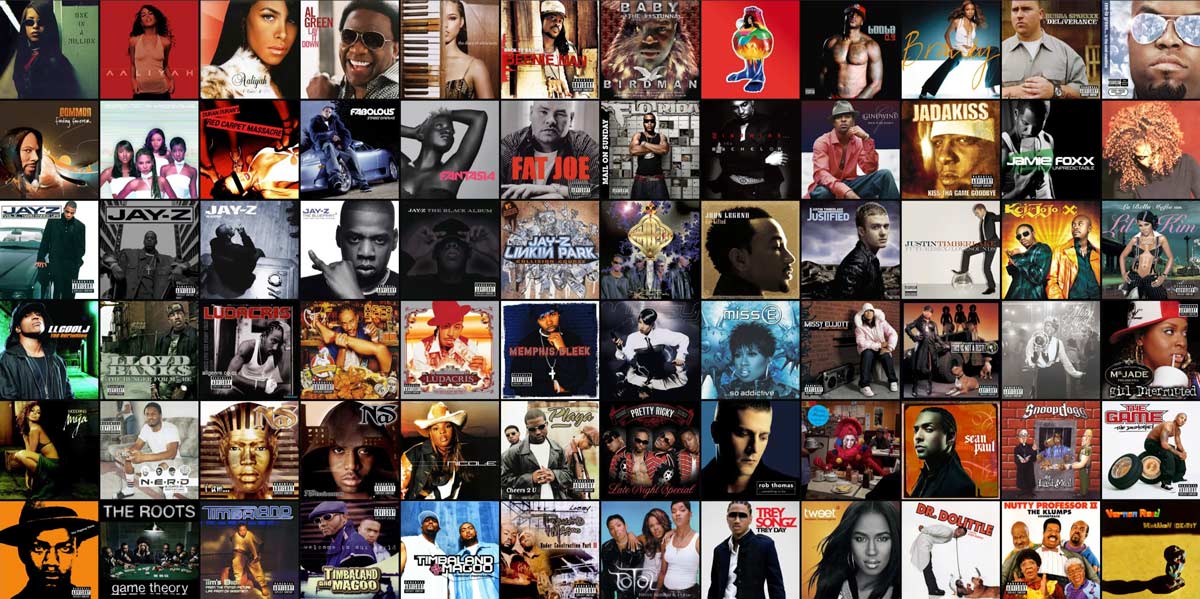
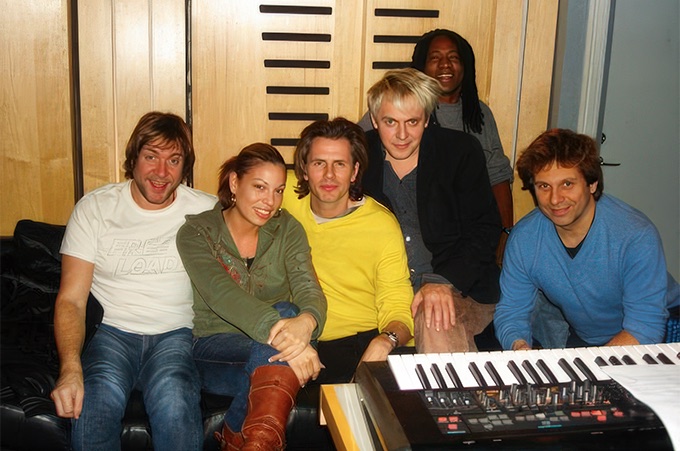
The list of landmark records from this period is extraordinary: Aaliyah's self-titled album, Missy Elliott's Miss E... So Addictive and Under Construction, Jay-Z's The Blueprint and The Black Album, Justin Timberlake's Justified and FutureSex/LoveSounds, Nelly Furtado's Loose, Bjork's Volta, Duran Duran, and dozens more.
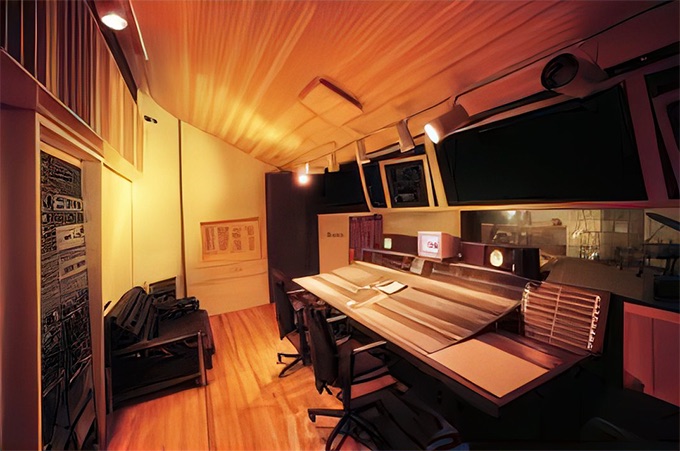
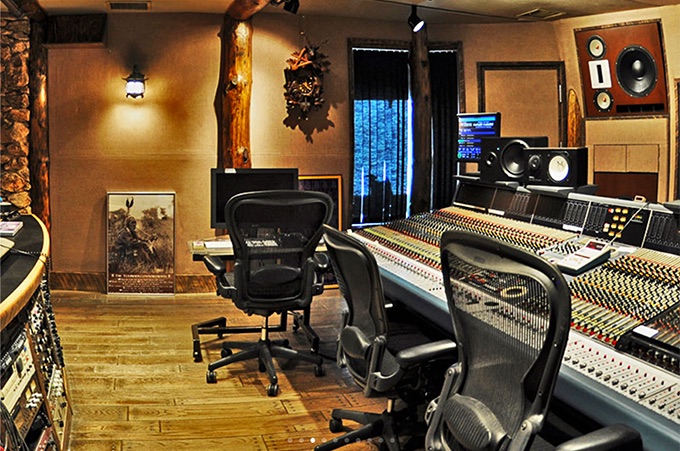
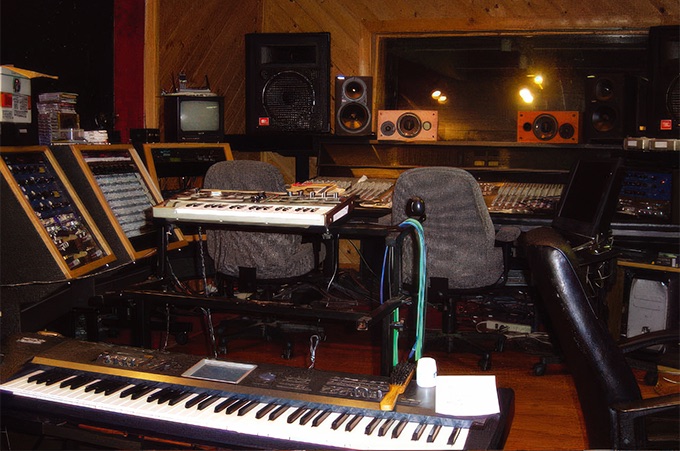
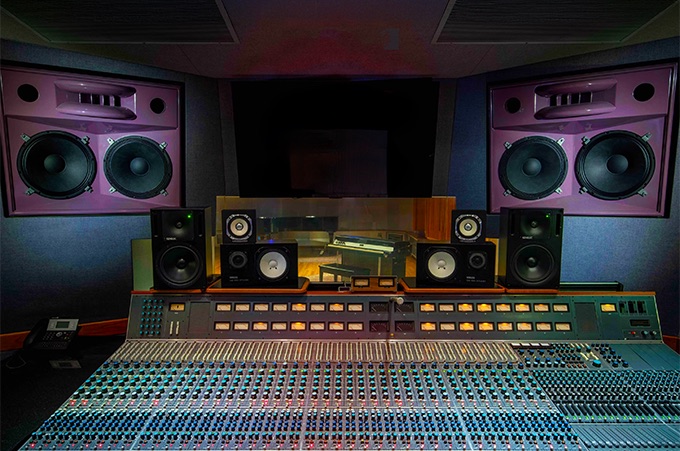
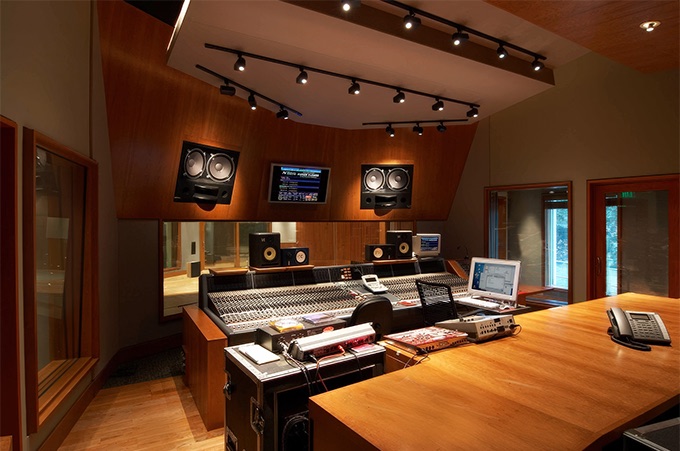
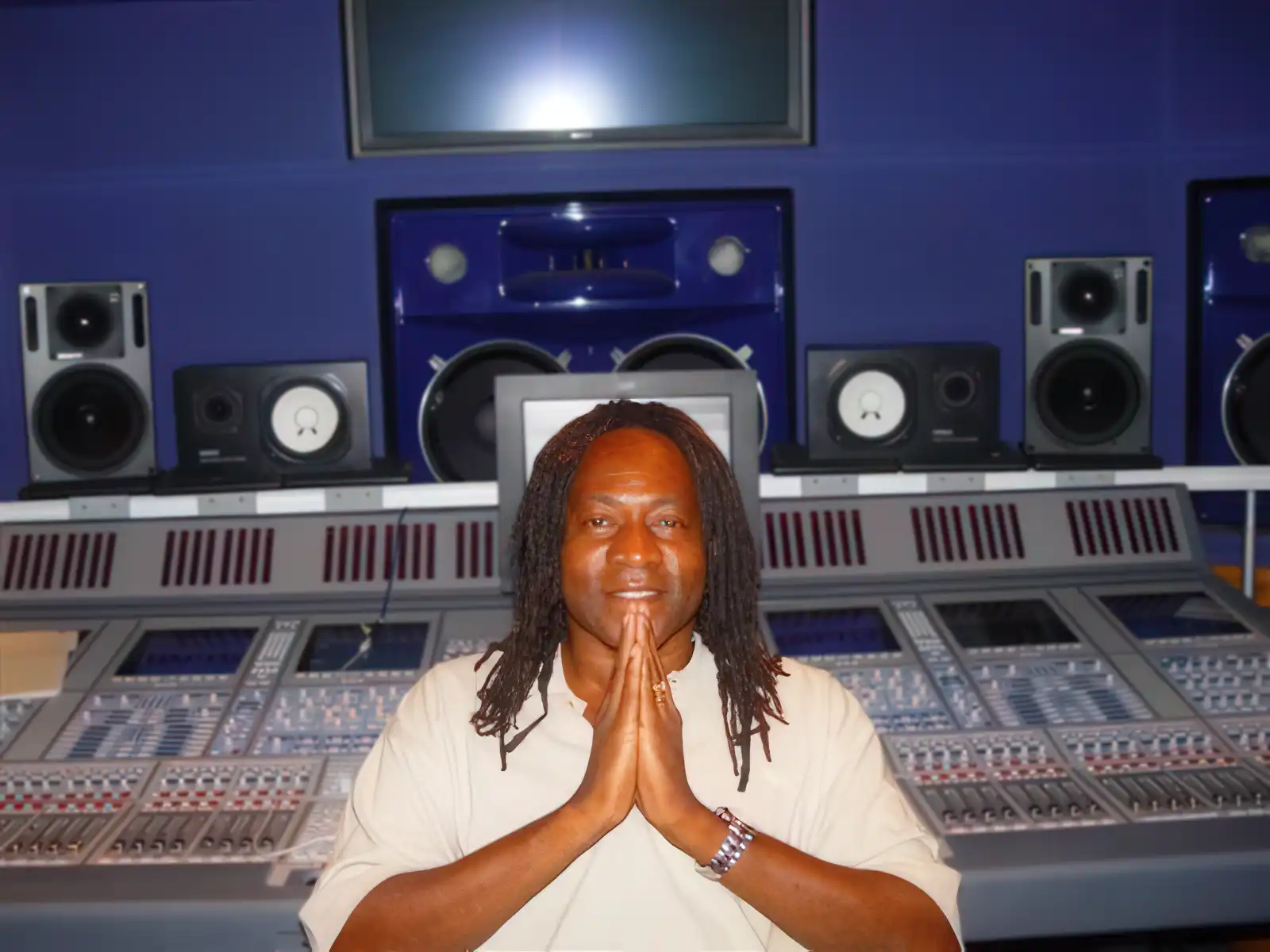
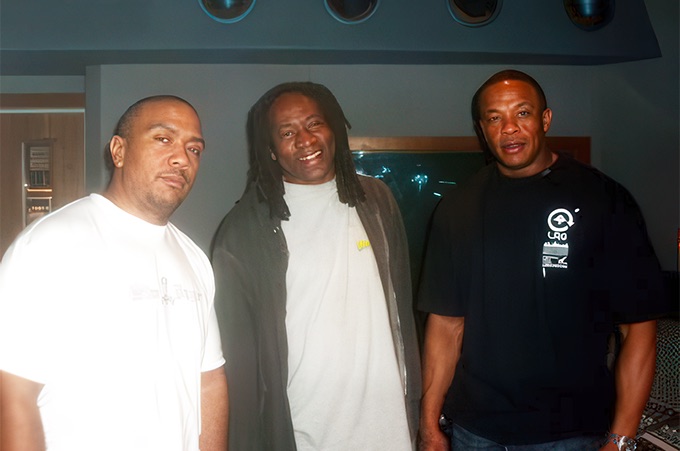
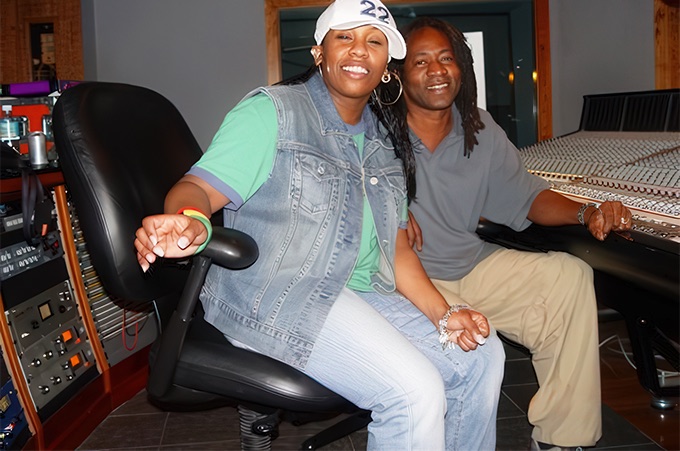
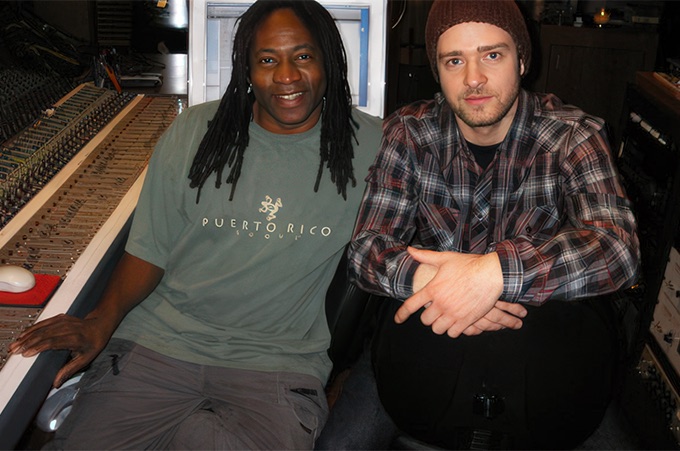
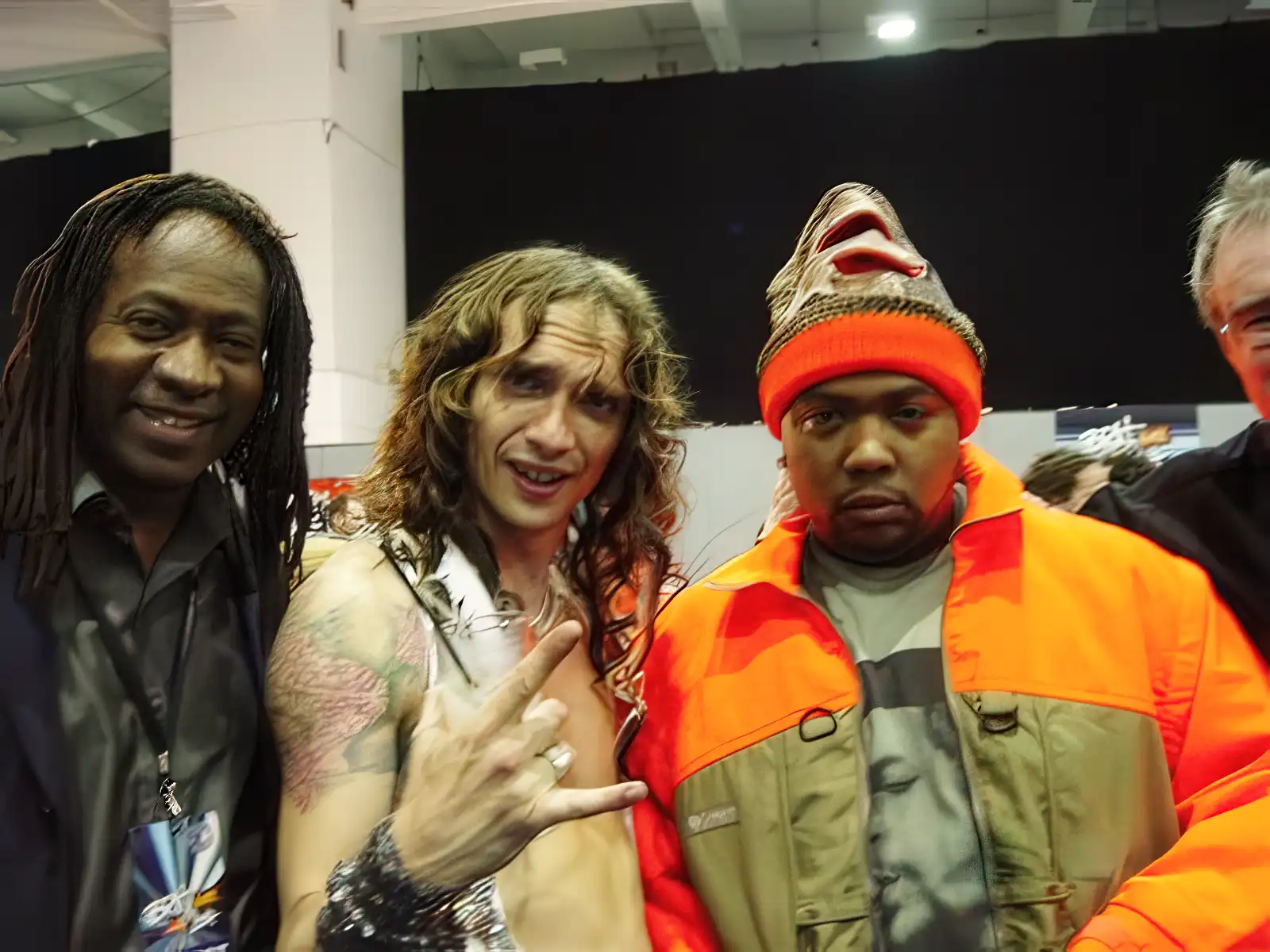
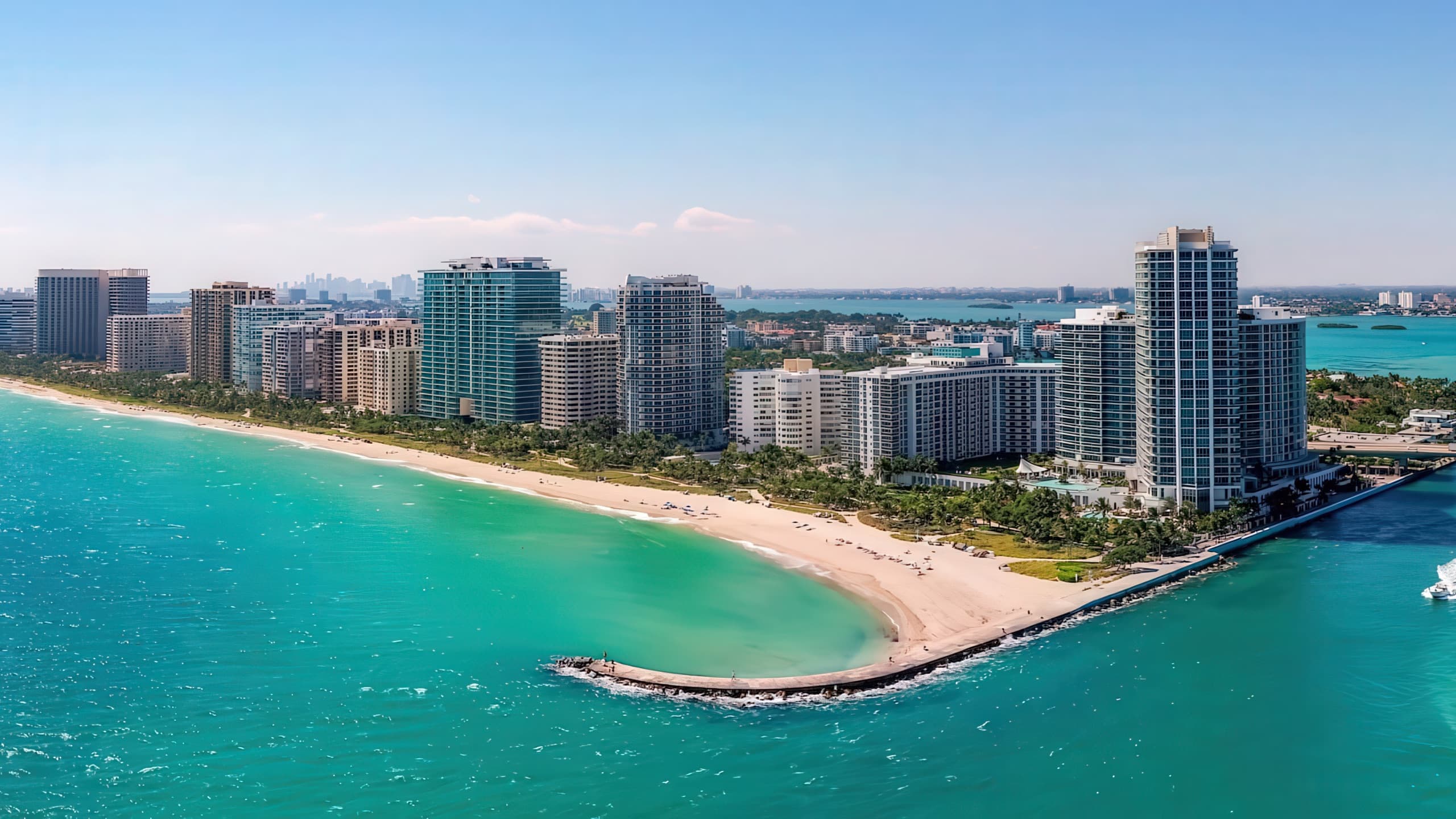
Douglass settled in Miami's Bal Harbour and opened Magic Mix Studios in North Miami Beach, centering his operation around a Neve VR72 console, a deep collection of outboard gear, and a state-of-the-art Pro Tools rig. The studio became his home base for a new chapter that expanded his reach even further.
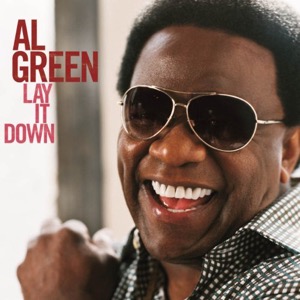
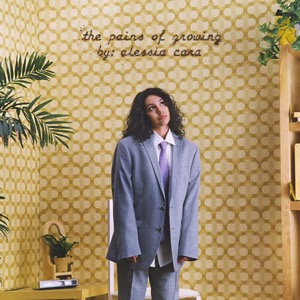
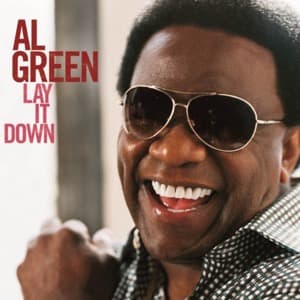
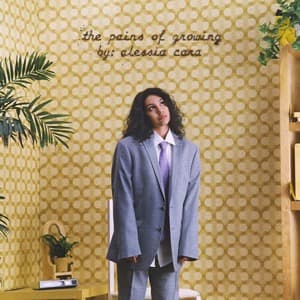
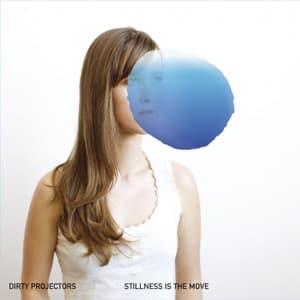
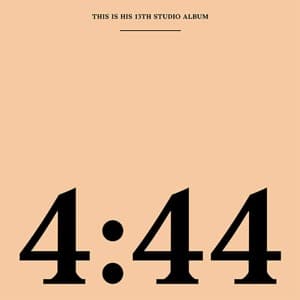
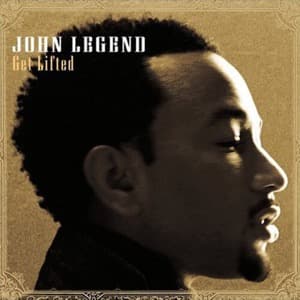
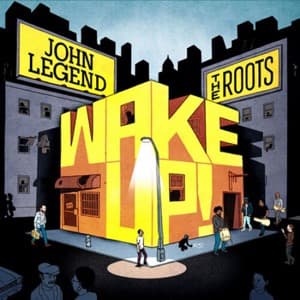
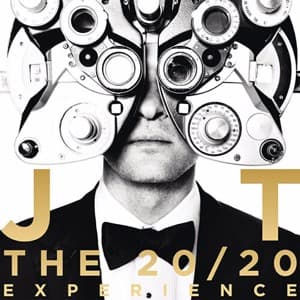
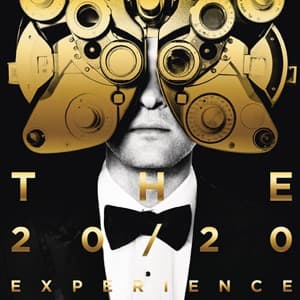
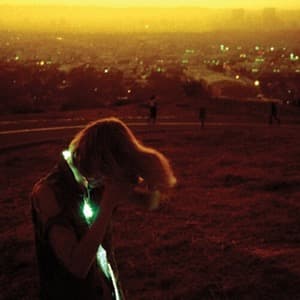
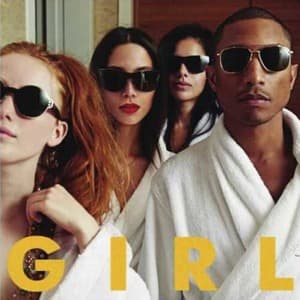
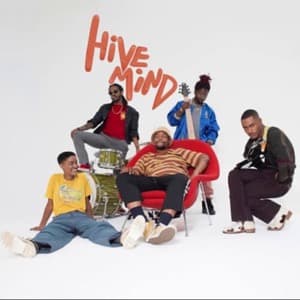
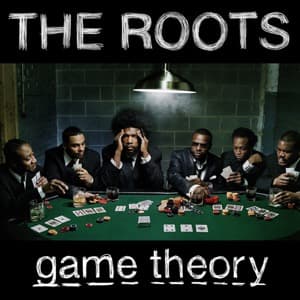
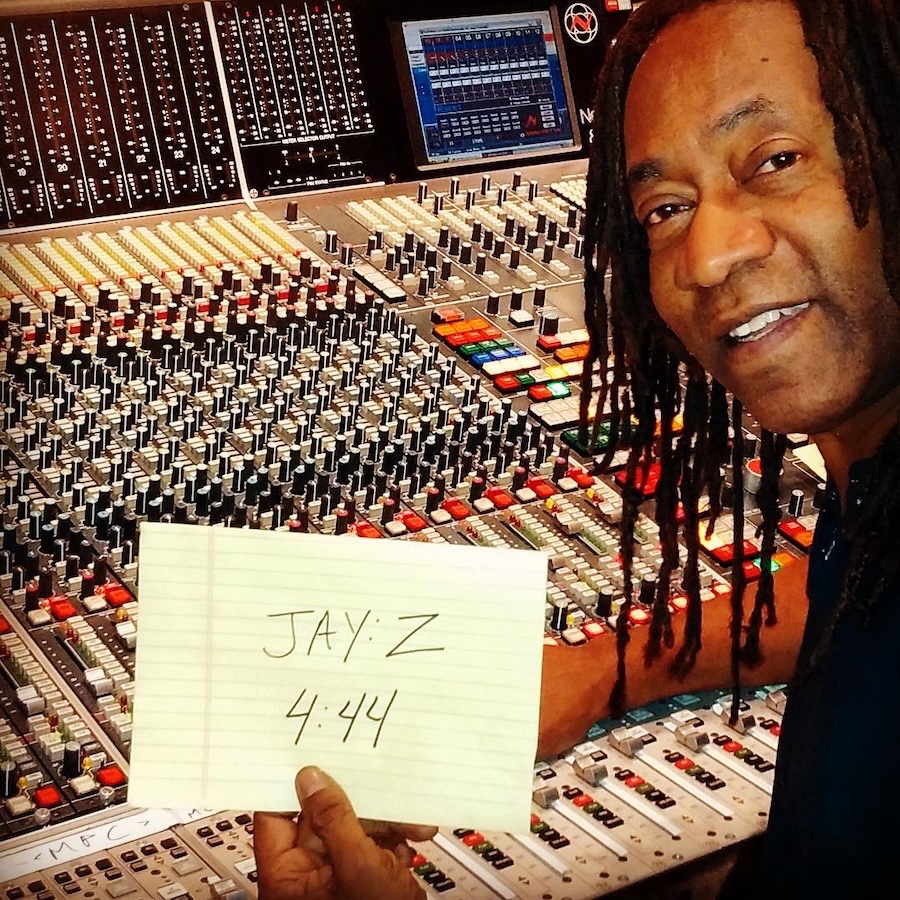
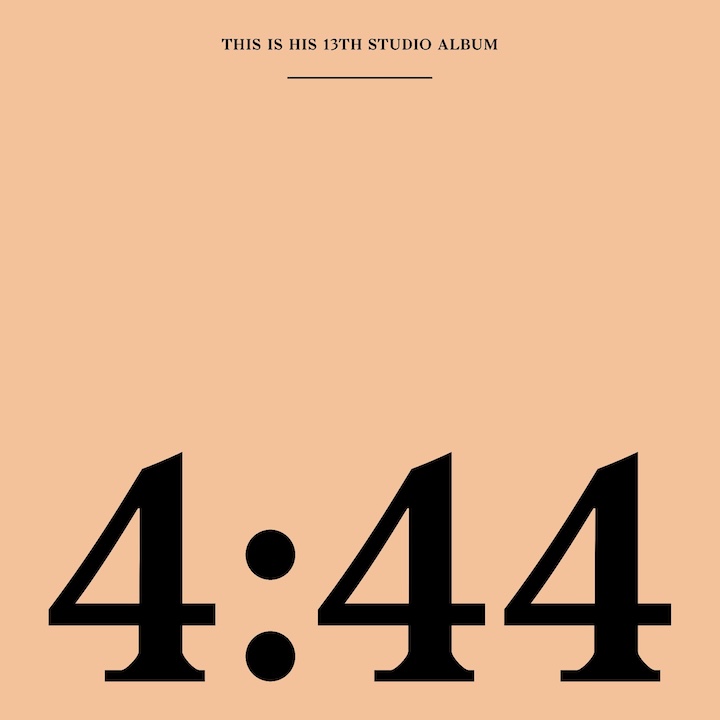
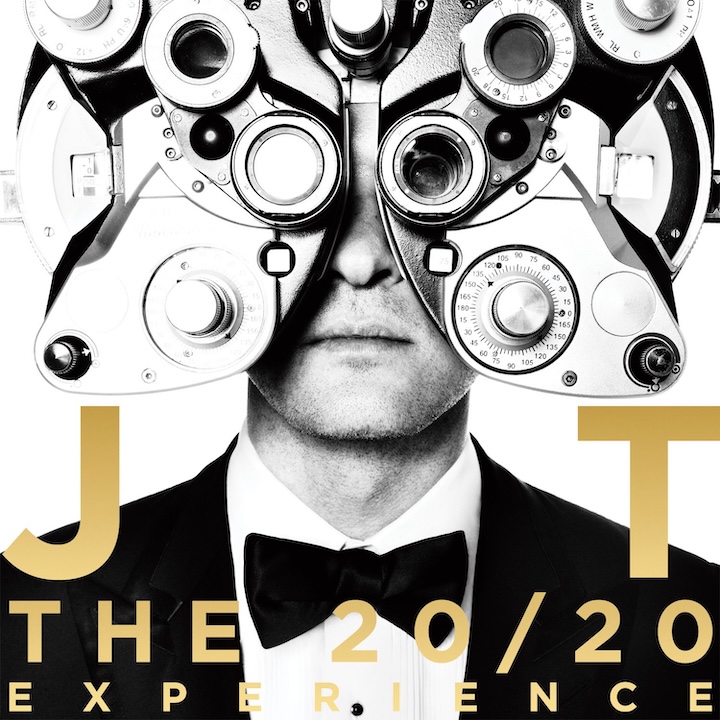
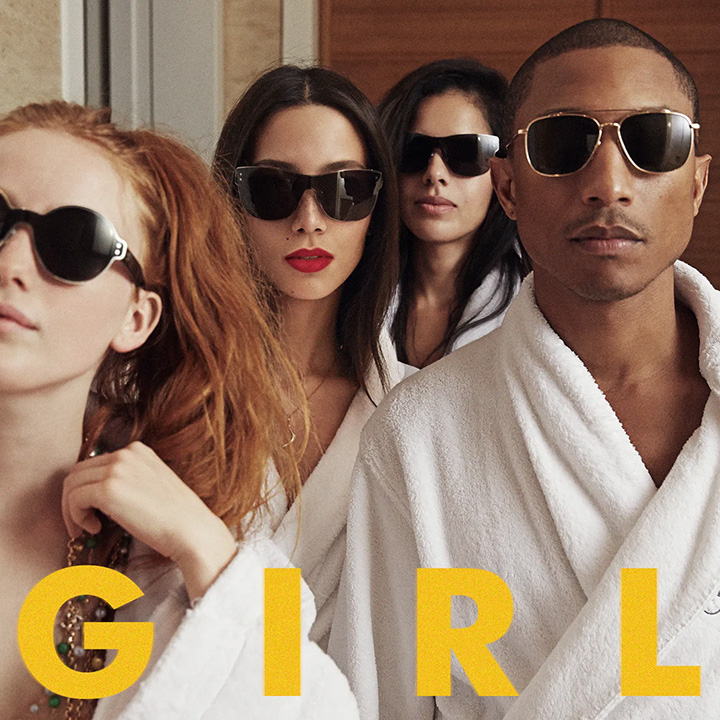
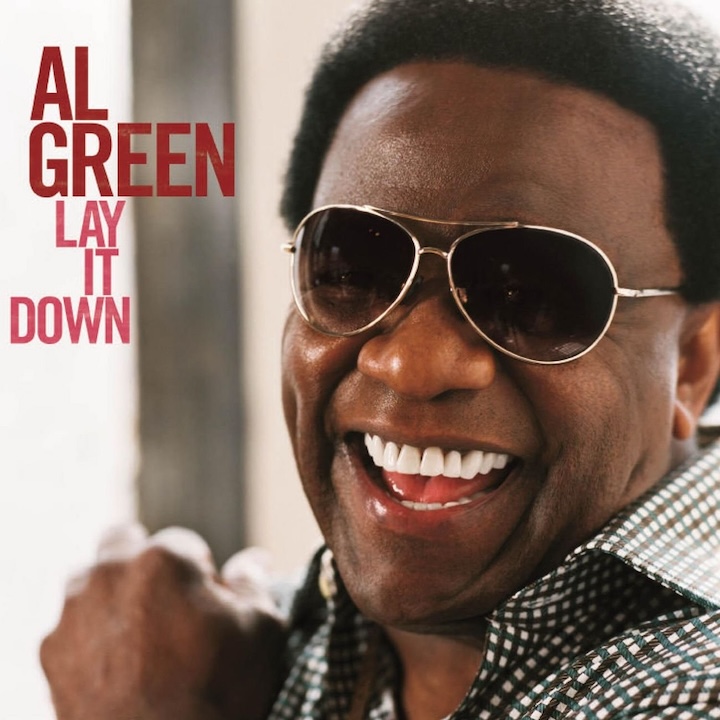
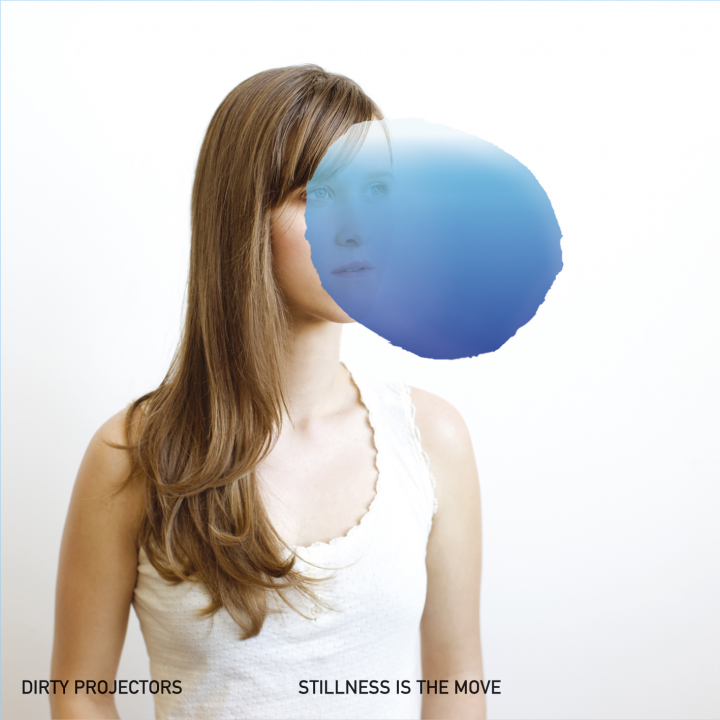
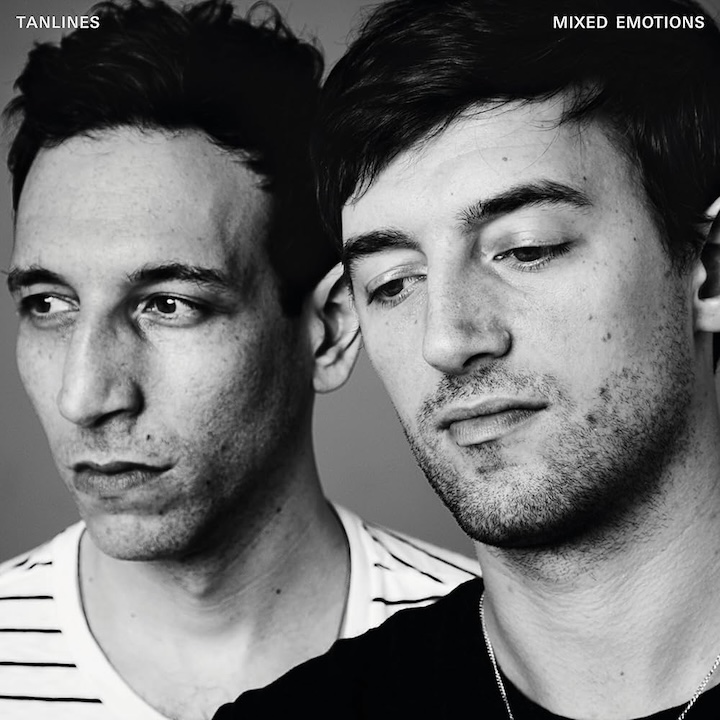
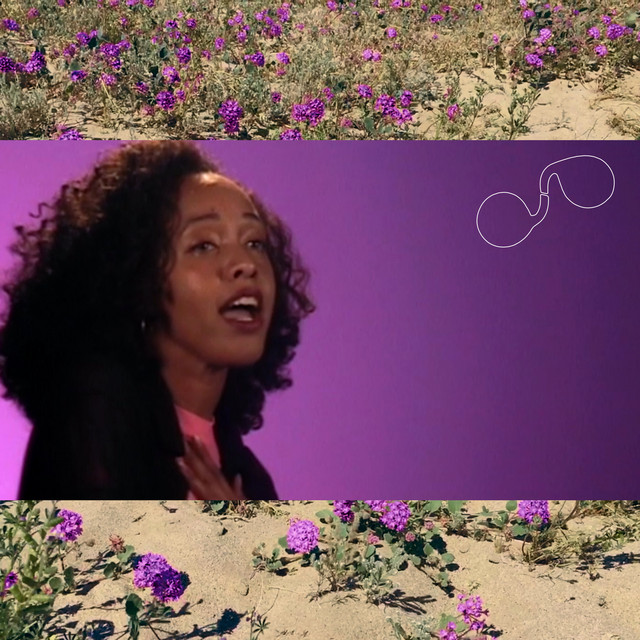
He continued mixing for major label artists. Jay-Z's 4:44, Justin Timberlake's The 20/20 Experience, Al Green's Lay It Down, Pharrell Williams' G I R L, John Legend & The Roots' Wake Up!, CeCe Winans' Let Them Fall in Love, and Alessia Cara's The Pains of Growing. At the same time, he embraced independent projects with artists like Dirty Projectors, The Kills, Tanlines, Blood Orange, and The Internet.
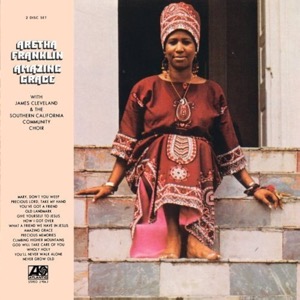
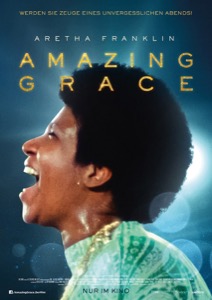
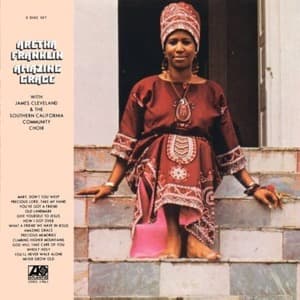
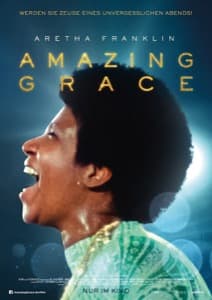
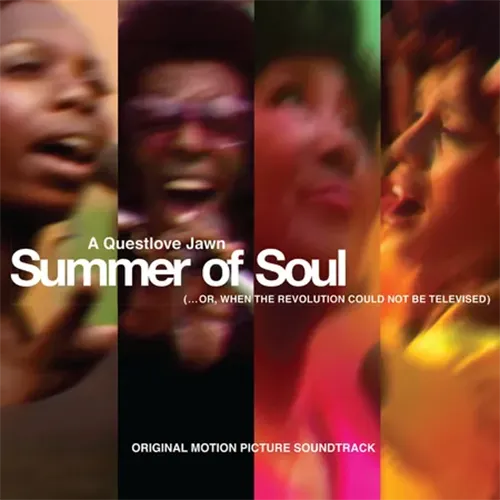
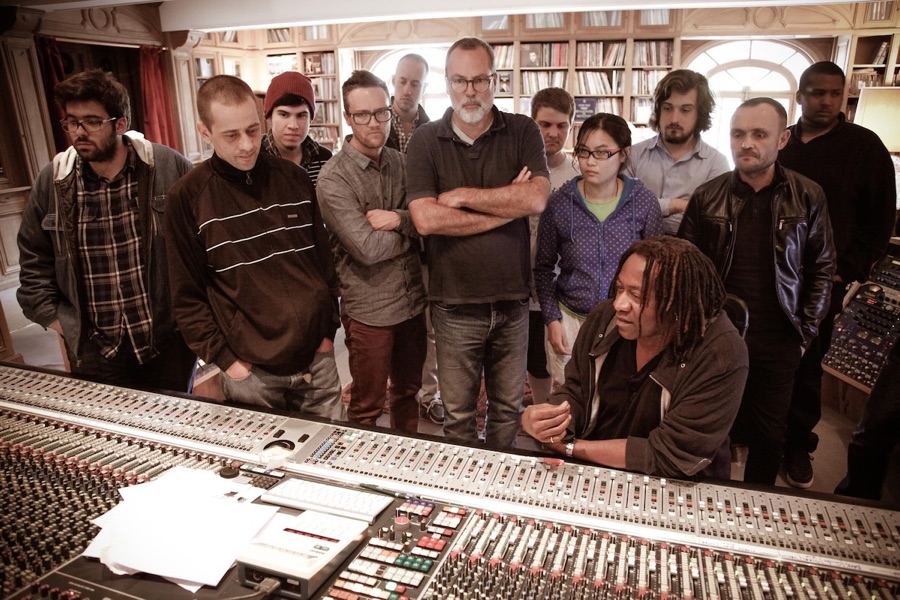
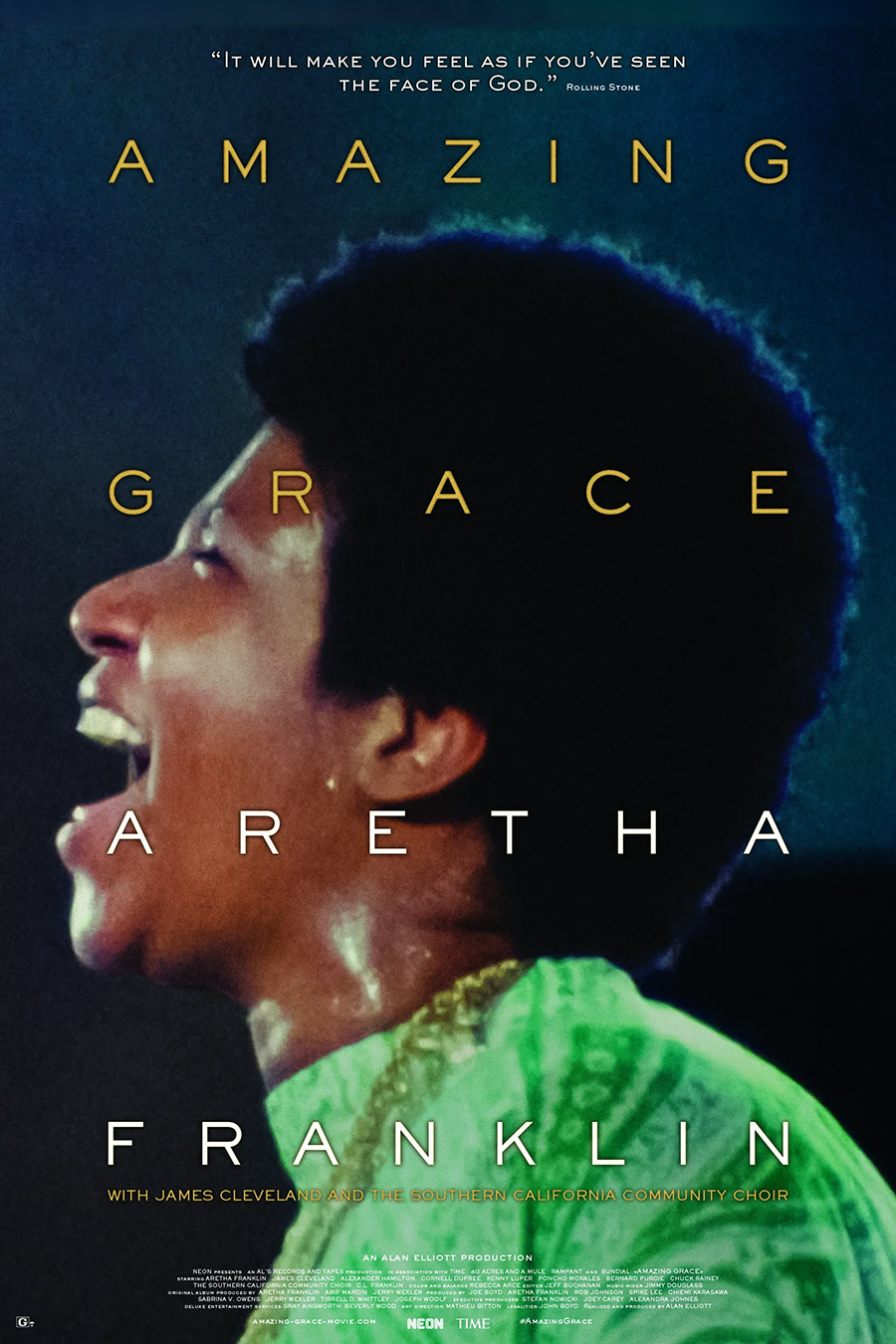
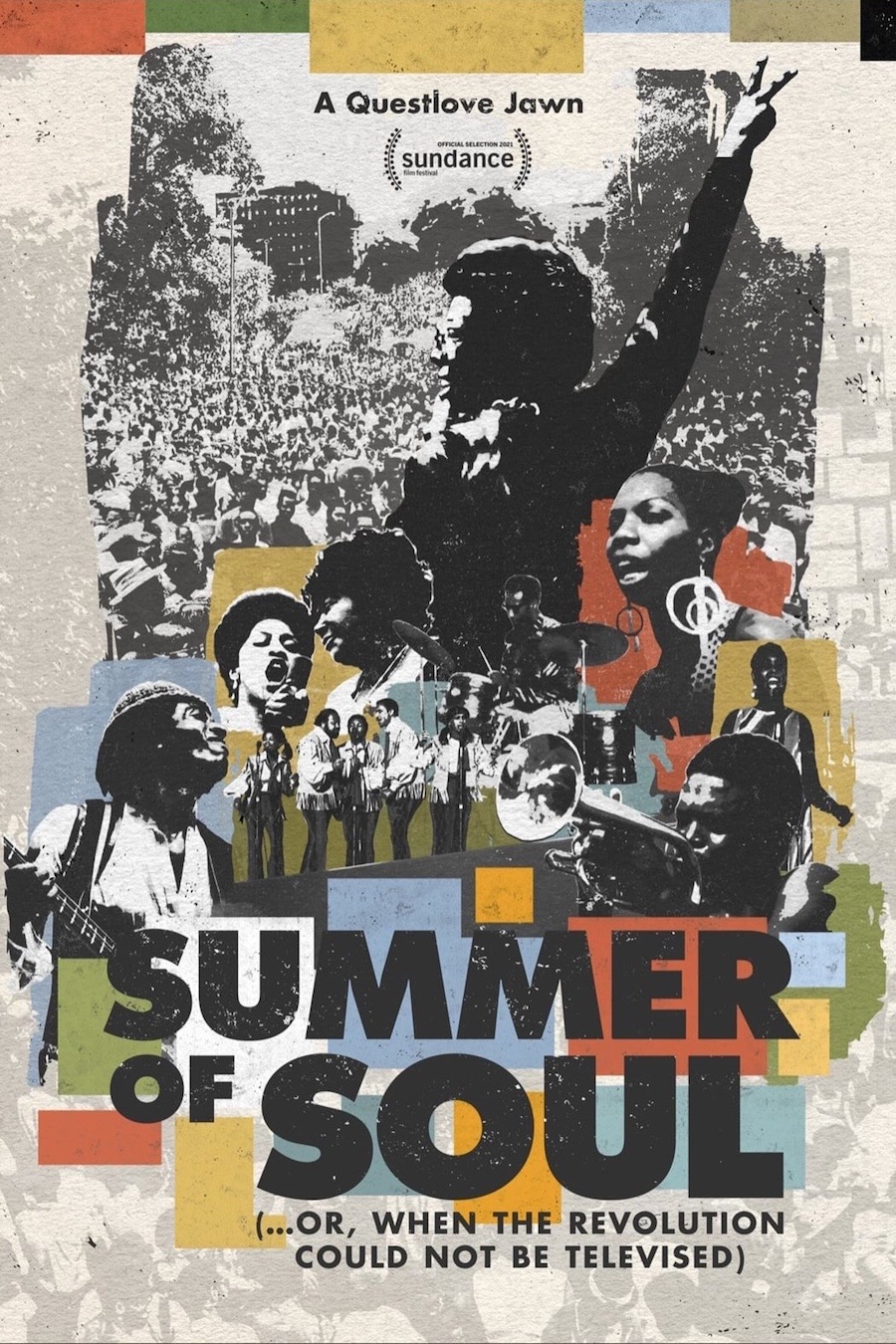
His work extended into film, mixing soundtracks for Summer of Soul, Aretha Franklin: Amazing Grace, and The United States vs. Billie Holiday. He led educational workshops at his studio through a program he called "The Hang," a seven-day intensive gathering focused on mixing, production, and the realities of the music biz. He also traveled to Provence, France to teach at Mix With the Masters, the prestigious audio education program.
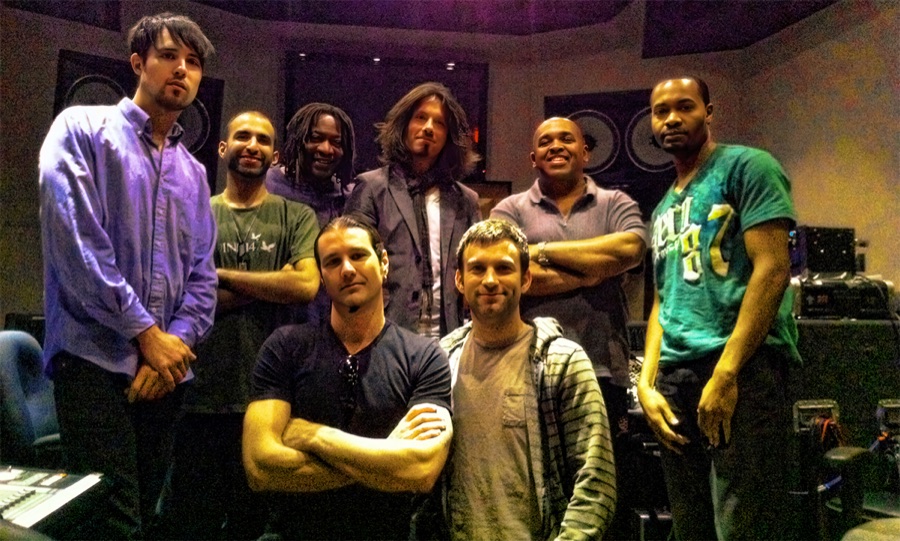
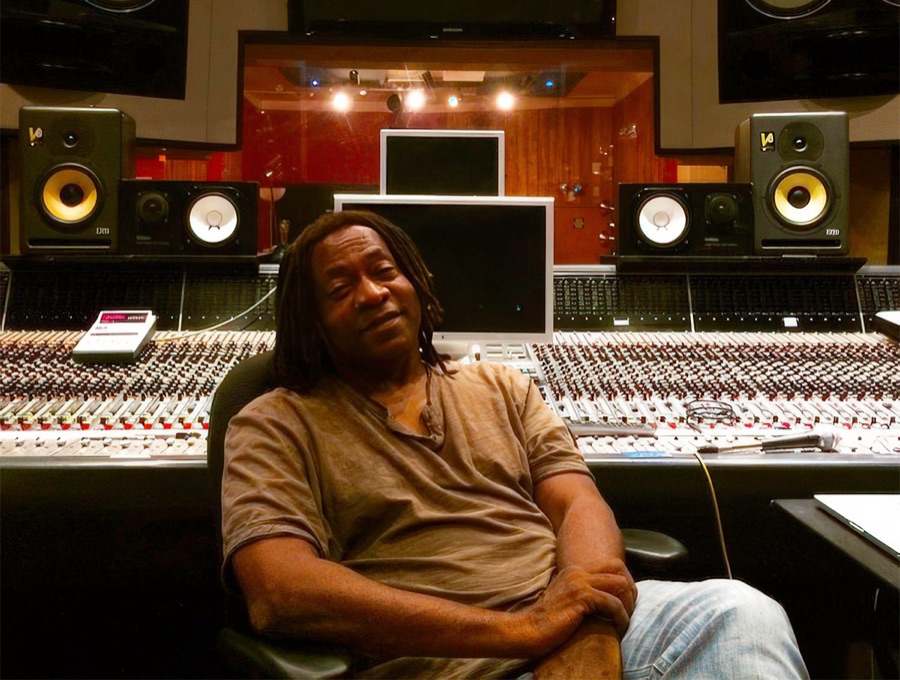
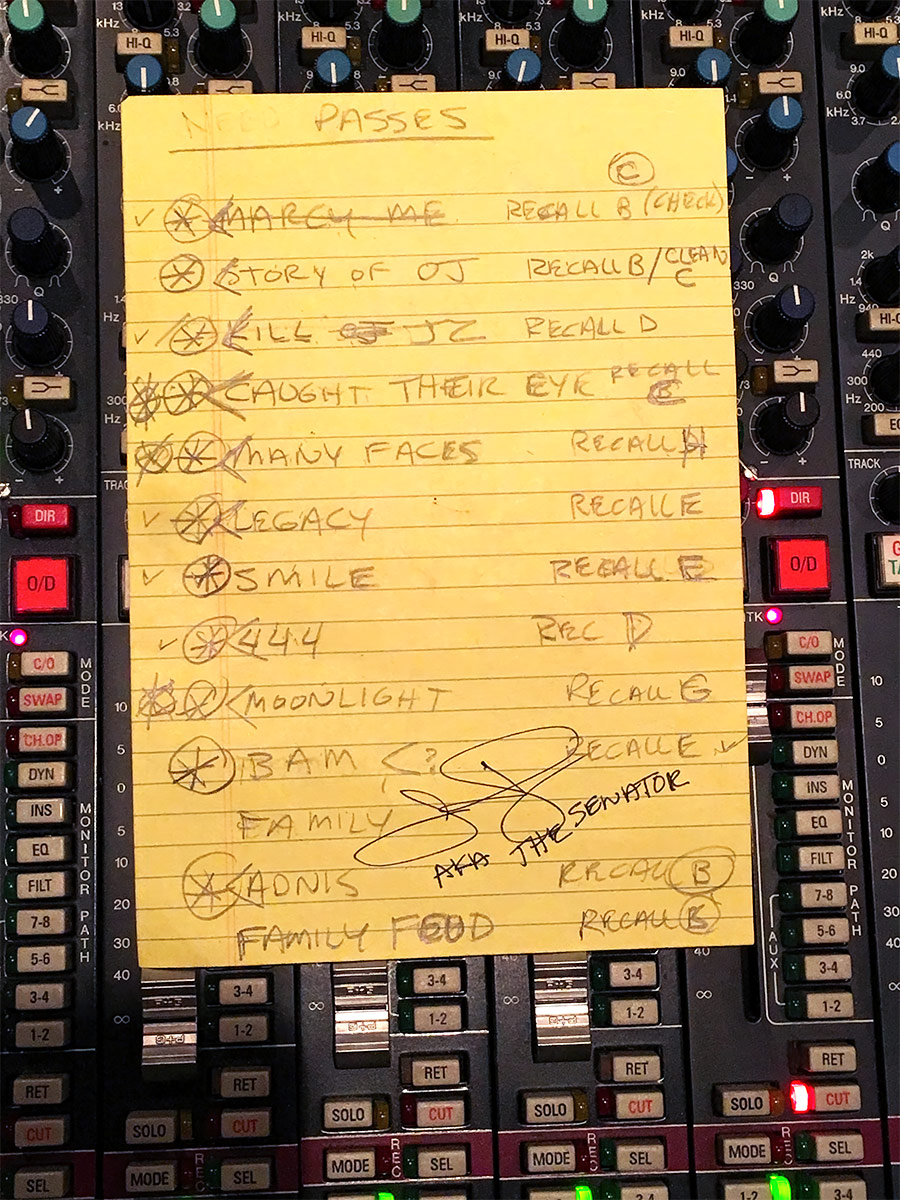
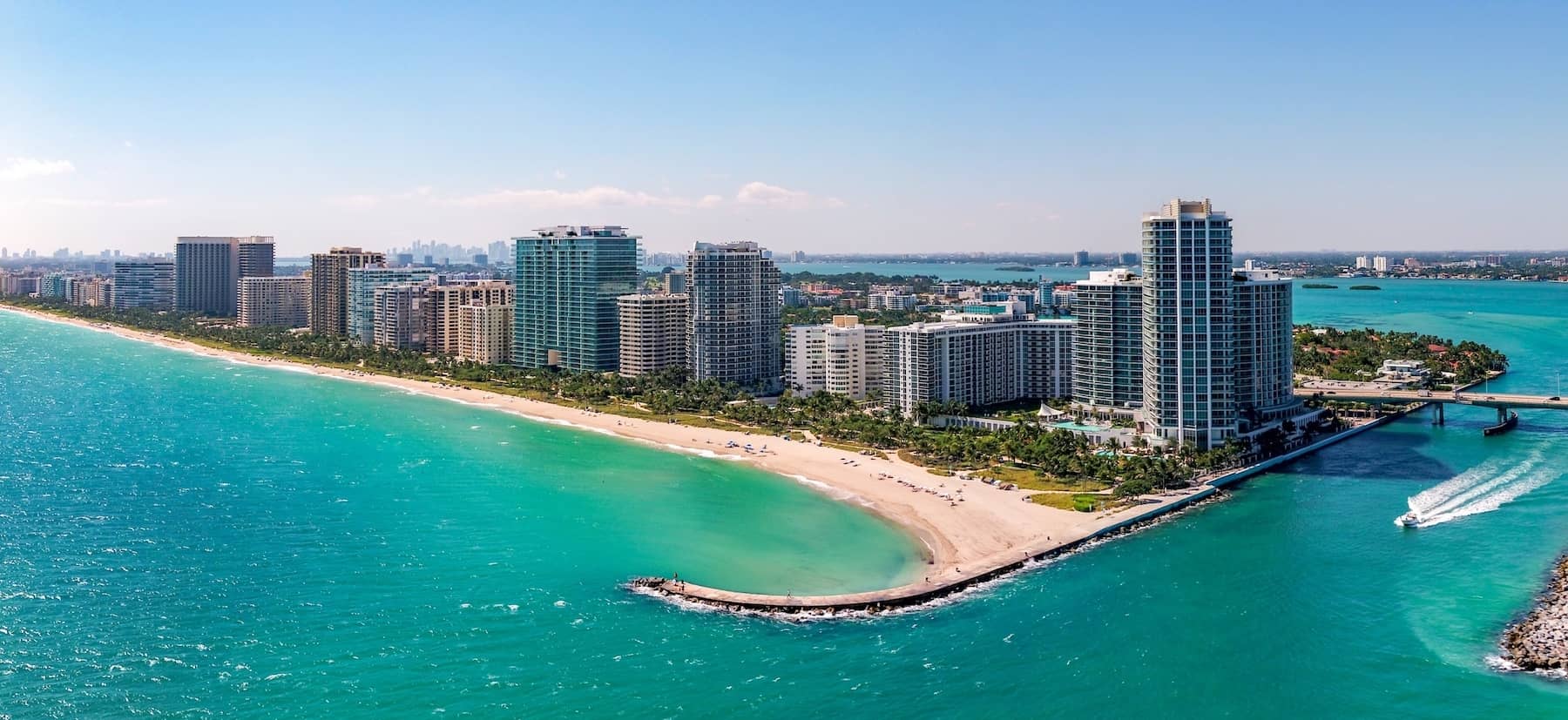
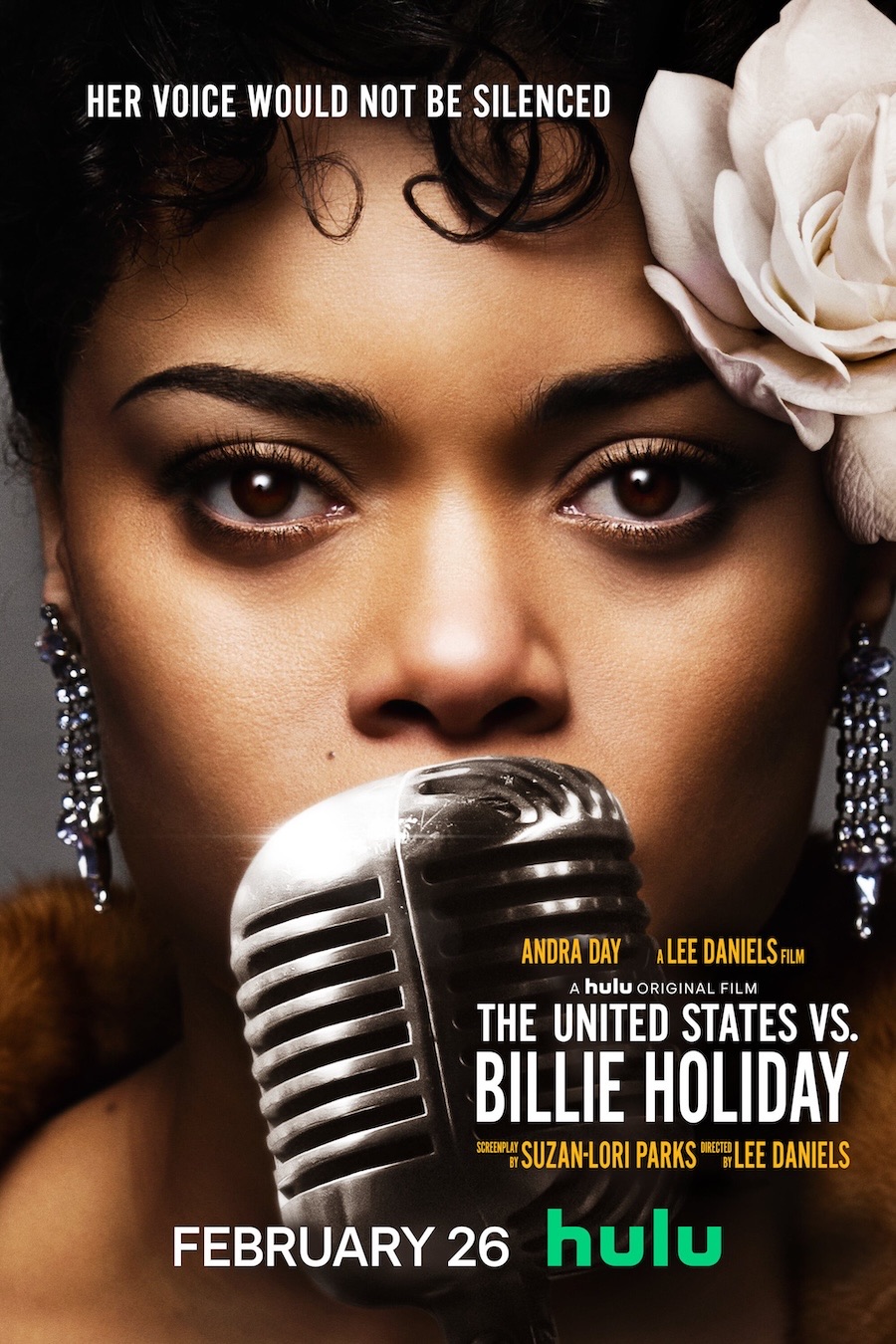
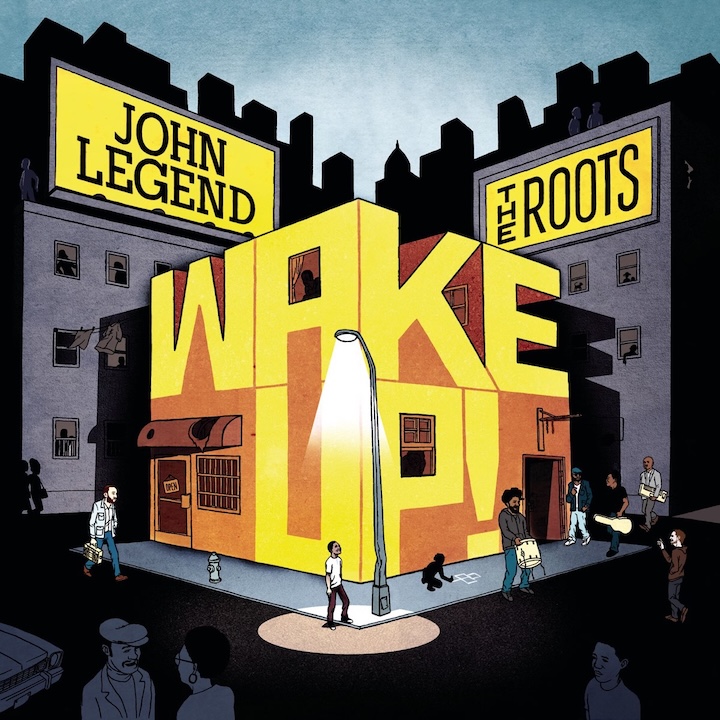
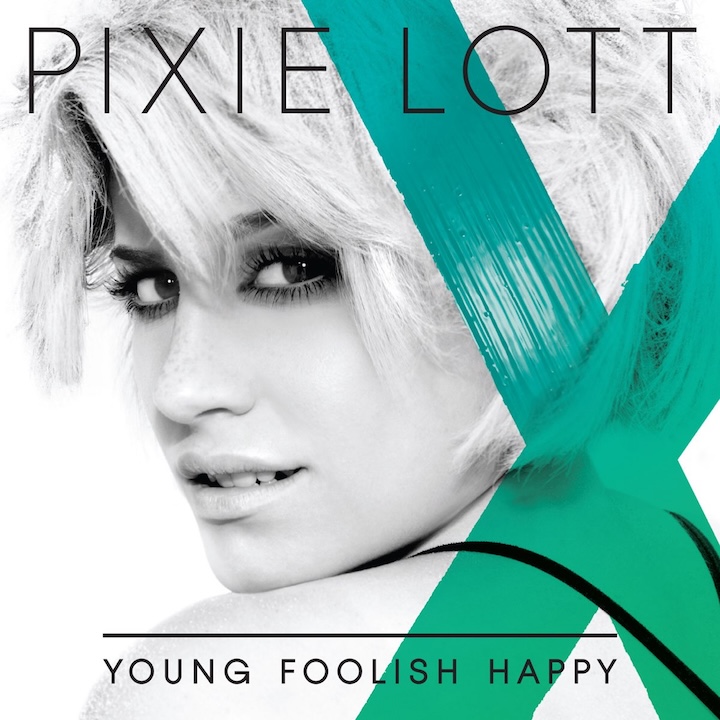
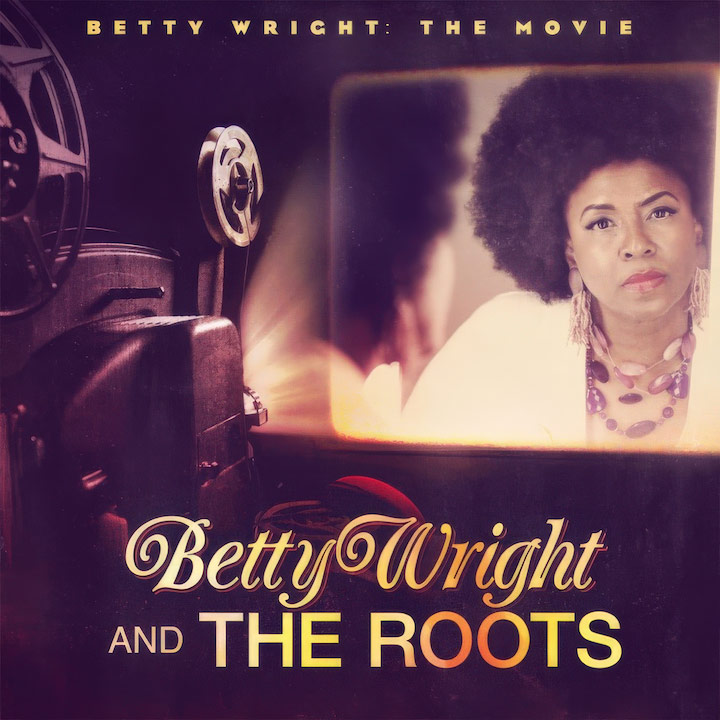
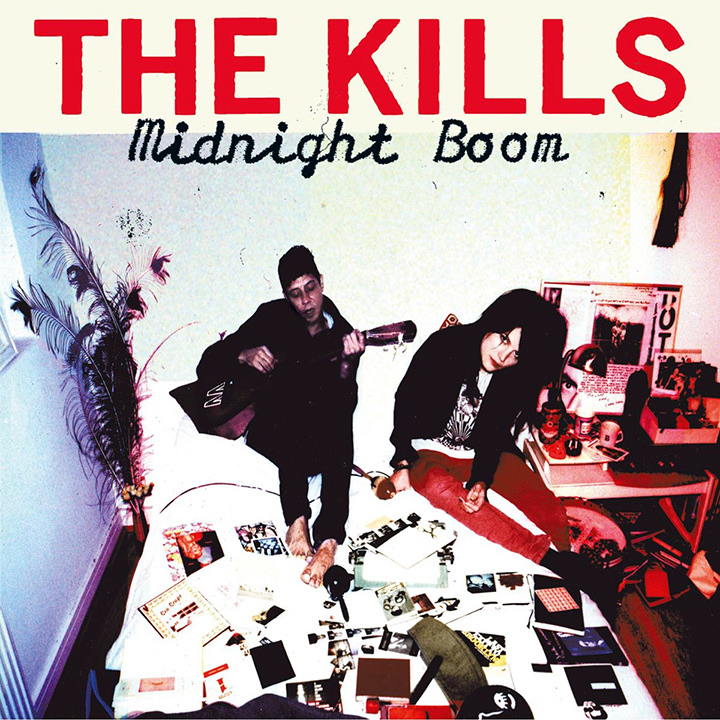

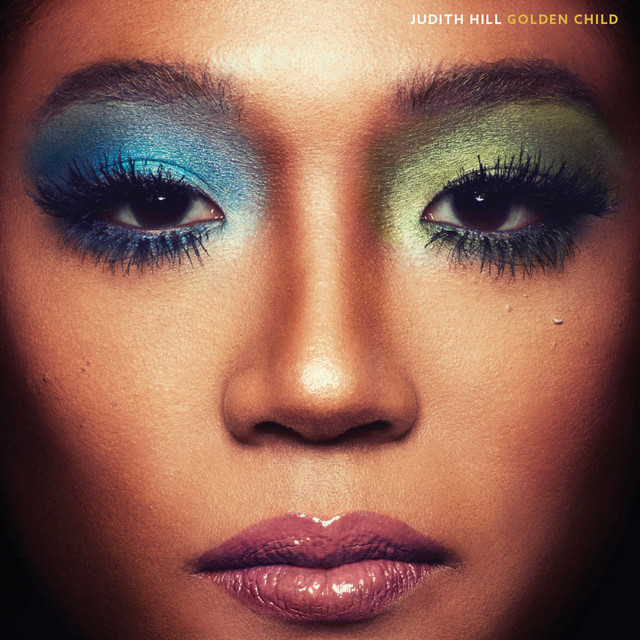
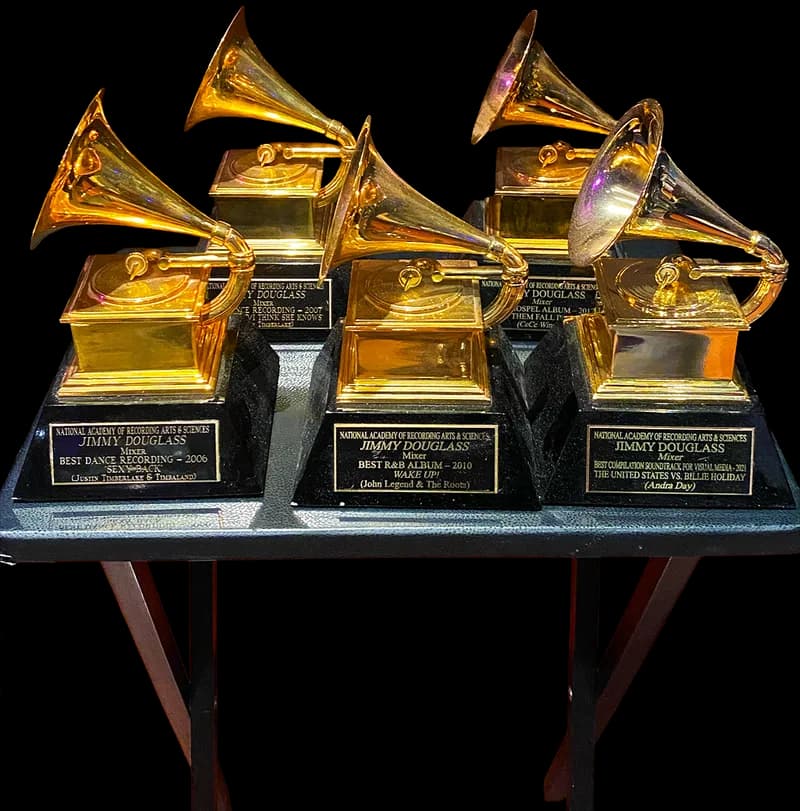
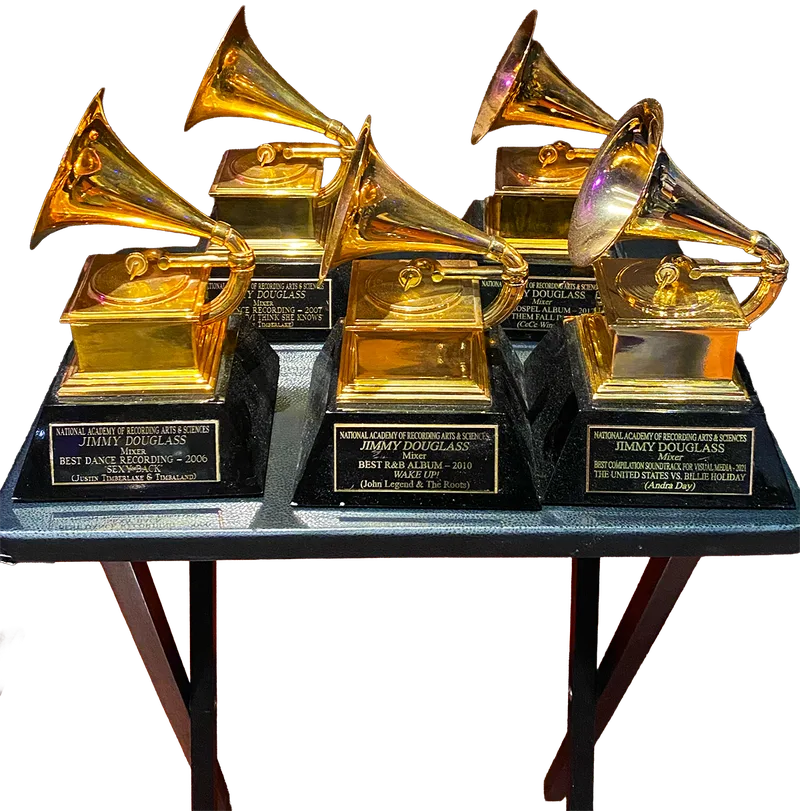
Jimmy Douglass is a five-time Grammy Award winner. His wins include Best Dance Recording for Justin Timberlake's "SexyBack" (2007) and "LoveStoned/I Think She Knows" (2008), Best R&B Album for John Legend & The Roots' Wake Up! (2011), Best Gospel Album for CeCe Winans' Let Them Fall in Love (2018), and Best Compilation Soundtrack for Visual Media for The United States vs. Billie Holiday (2022). He has received eleven Grammy nominations in total, including five Album of the Year nods.
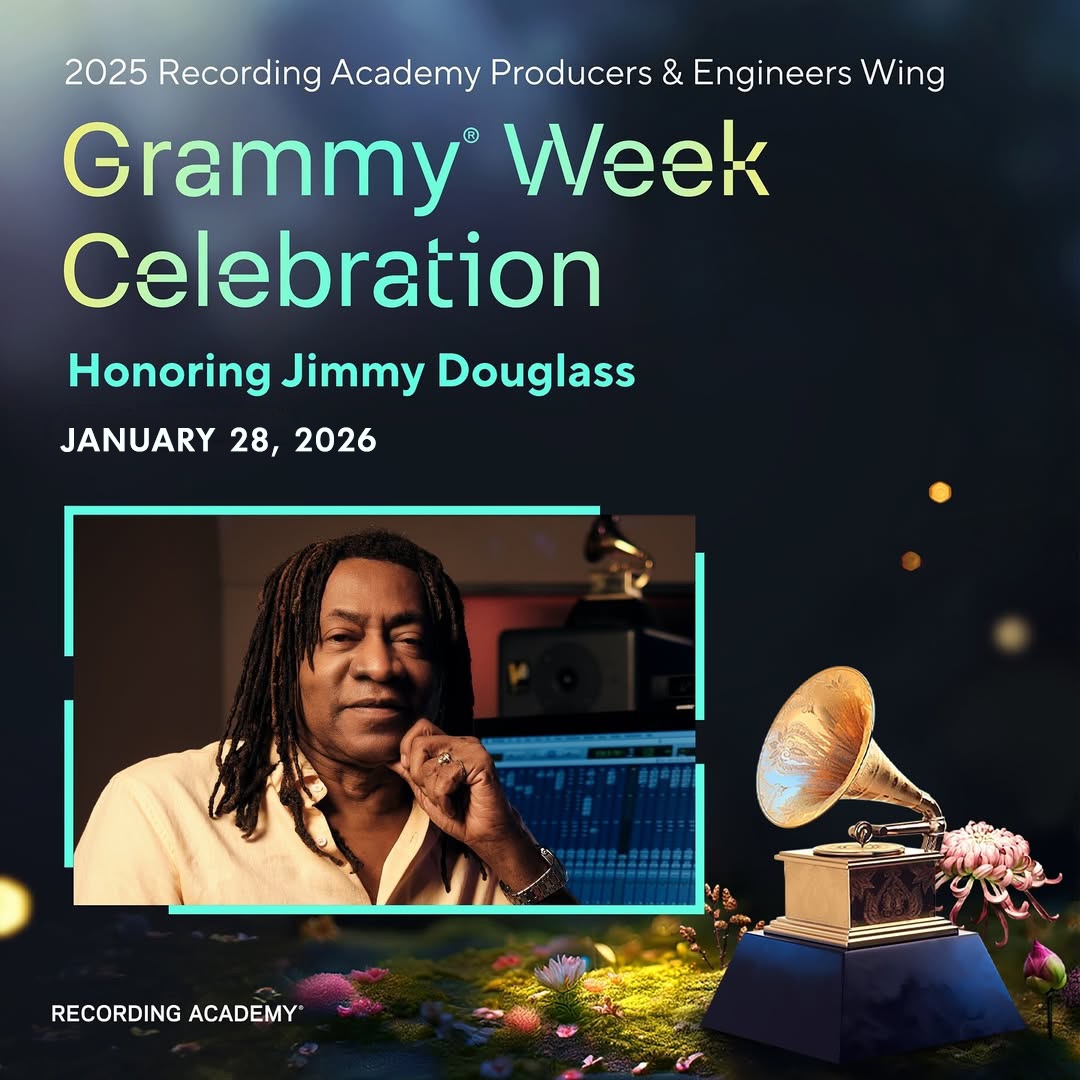
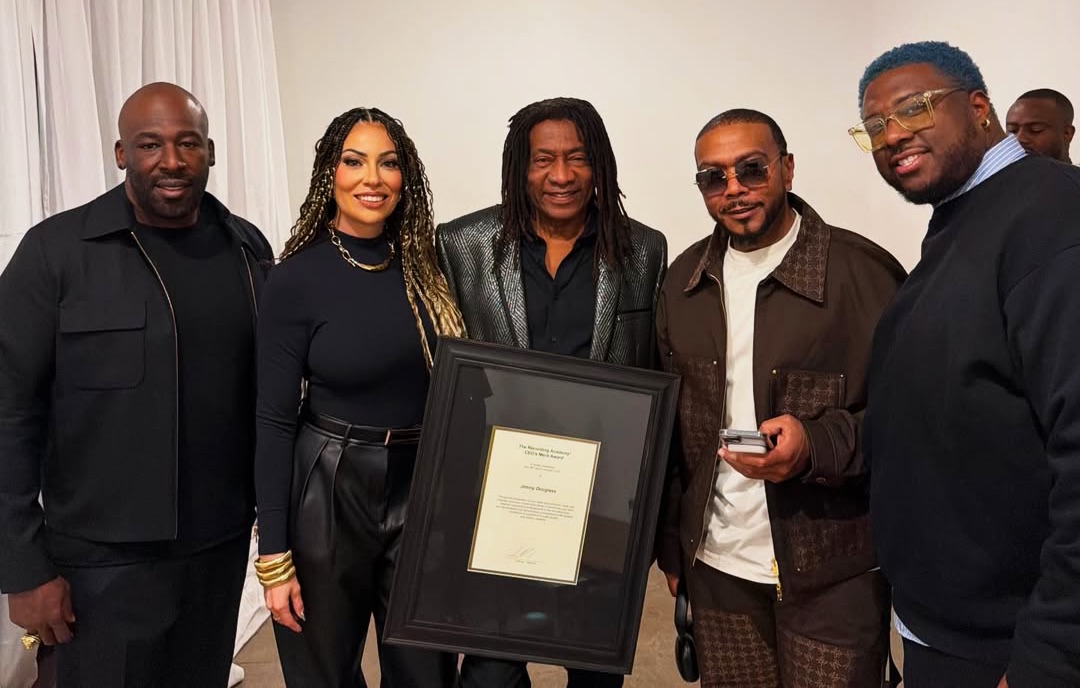
Beyond the awards, Douglass has played an active role in the Recording Academy itself. He was appointed to the Producers & Engineers Wing Advisory Council in 2013, elected to the Recording Academy's Board of Trustees in 2020, and served on the P&E Wing's Steering Committee in 2024, helping shape initiatives around music creators' rights and recognition. In January 2026, the Recording Academy's Producers & Engineers Wing honored Douglass at their annual Grammy Week Celebration for his outstanding contributions to music production and engineering across more than five decades.


BOOKINGS · INQUIRIES · COLLABORATIONS
 THE SENATOR IS IN SESSION